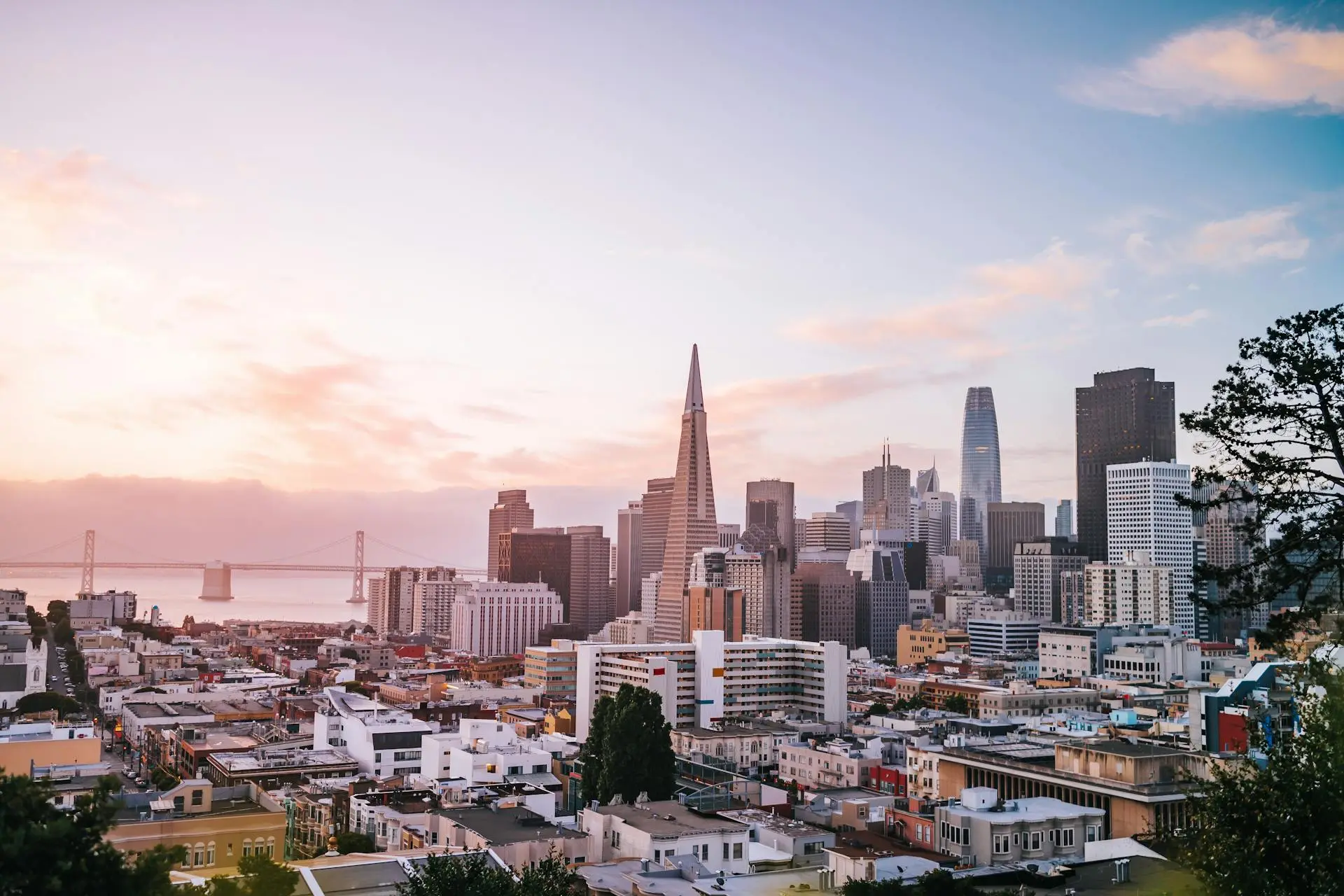
Ready for a San Francisco to Portland road trip? Explore coastal views, hidden gems, and foodie stops on this epic West Coast journey.
The drive from San Francisco to Portland takes you through beautiful coastal areas, forests, wine country, and two of the most exciting cities on the West Coast. There are two ways to get there by car: the fast, direct route on I-5 North or the slower, more scenic route along US-101 and the Pacific Coast Highway (CA-1), which winds past rugged coastlines, redwoods, and small-town treasures.
Why you should take San Francisco to Portland Road Trip?
This road trip isn’t just a way to get to work; it’s also a chance to see the natural diversity of California and Oregon. You will see tall redwoods, rocky shores, rolling vineyards, and old towns along the way. It is one of the most popular long-distance drives on the West Coast because it takes people through wine country, Silicon Valley, Oregon’s waterfalls, and coastal cliffs.
Read | 10 Most Beautiful San Francisco to Seattle Road Trip Stops
Essential Tips for San Francisco to Portland Road Trip
Best Time To Visit
June through August is summer.
Along the coast, the temperature is between 70 and 80 degrees Fahrenheit (21 and 27 degrees Celsius). In the middle of the country, it is between 85 and 95 degrees Fahrenheit (29 and 35 degrees Celsius).
- Pros: Great for long evenings, national park hikes, and coastal views.
- Disadvantages: Lodging costs are high, traffic is heavy on weekends, and popular towns like Cannon Beach can feel crowded.
September to October is fall.
In Oregon’s Willamette Valley, the weather is cool in the mornings and the vineyards are full of color.
- Pros: Hotels are cheaper, trails are quieter, and there are fewer tourists.
- Cons: Days are shorter and there is some fog on the coast in the mornings.
April to May is spring.
It will be 55 to 70 degrees Fahrenheit (13 to 21 degrees Celsius) with some rain showers.
- Pros: There are wildflowers along the coast, waterfalls at their highest flow, and thick forests.
- Cons: You need rain gear, and the nights are cold.
________________________________________
Best Driving Routes for San Francisco to Portland
- The Direct Route is I-5 North.
- Distance: about 635 miles
- Time: about 10 to 11 hours
- Stops include Sacramento, Redding, Ashland (OR), Eugene, and Salem.
Why Choose It: It’s the best way to save time because there are a lot of services and rest stops.
- Less beautiful than the coast, but a trade-off.
- US-101 North: A Coastal Adventure
- Distance: about 700 to 800 miles
- Time: about 14 hours
Stops include Mendocino, Eureka, Redwood National and State Parks, Coos Bay, Newport, and Tillamook.
Why Choose It: This drive has some of the most beautiful scenery in the U.S., with redwoods and Oregon’s rough coastline.
Trade-Off: It’s longer, curvier, and slower, and fog is common in the mornings in the summer.
The Pacific Coast Highway (CA-1)
In some parts of California, it runs next to US-101. Famous for Point Reyes, Big Sur, and Bodega Bay. Adds beauty and time.
Beautiful Byways
- Redwood Highway (US-199) goes from Crescent City, CA, to Grants Pass, OR, through redwood forests.
- Three Capes Scenic Loop (OR): A coastal detour near Tillamook with lighthouses and cliffs that look like they belong in a movie.
👉 Use Oregon TripCheck Cameras to get real-time information about the roads along the Oregon coast.
________________________________________
Important Things to Pack
Clothes
- In the summer, wear light layers, a sun hat, sunglasses, and sturdy shoes.
- In the fall and spring, wear warm layers, a waterproof jacket, and hiking boots.
- All Seasons: Clothes that are comfortable for long drives.
Safety and Emergency
- A flashlight, jumper cables, a spare tire, and a first aid kit.
- A tire repair kit or inflator is a good idea, especially on coastal roads where there aren’t as many services.
Food and Water
- A cooler with water, sandwiches, fruit, and snacks that won’t go bad.
- Bottles that can be used again (fill them up at rest stops or towns to save money).
Apps and Technology
- GPS or maps that don’t need the internet (Google Maps offline downloads).
- Waze (updates on traffic).
- GasBuddy is a tool that tracks gas prices.
- AllTrails is a site that has maps for hiking.
- iExit shows upcoming rest stops and services along I-5.
________________________________________
Getting the car ready
- Change the oil, rotate the tires, check the brakes, and fill up the fluids before the trip.
- On the trip, check the tire pressure every few days.
- Sedan or compact car: best for budget travelers on I-5 (good gas mileage).
- SUVs and crossovers are great for driving along the coast with luggage and making stops along the way.
RV or camper van: Great for camping along US-101; there are a lot of campgrounds along the Oregon coast, but parking in cities is hard to find.
For reservations for RVs and campsites, go to ReserveAmerica or Recreation.gov.
Stops You Have to Make Along the Way
The stops along the way from San Francisco to Portland can be just as important as the destination. You can take US-101 and CA-1 along t he coast or a mix of inland highways. Either way, you’ll pass through towns, beaches, and historic sites that make the trip worth taking. This is a list of the most important stops along the way.
________________________________________
Best San Francisco to Portland Road Trip Stops
San Francisco – The Beginning
San Francisco is where you start, and it’s worth spending some time there before going north.
Main Attractions:
The Golden Gate Bridge is one of the most famous landmarks in the U.S. Think about walking or biking across for a great view of the bay.
Alcatraz Island: A short ferry ride will take you to the famous prison, which is now a National Historic Landmark. About $45 for each adult ticket. Reserve your spot early with Alcatraz Cruises.
Fisherman’s Wharf and Pier 39 are famous for their seafood, sea lions, and family-friendly activities.
Lombard Street and Chinatown are two classic city sights that are worth a quick visit.
Tip for travelers: Don’t leave during rush hour (7–9 a.m. or 4–6 p.m.). If you can, leave in the middle of the morning for a smoother start.
________________________________________
Half Moon Bay
About 30 miles (45 minutes) from San Francisco.
- Half Moon Bay State Beach and other beaches are great places to walk or have a picnic.
- The Half Moon Bay Coastal Trail and other coastal trails offer stunning views of the ocean.
- Local shops and art galleries give the town a small-town feel.
- The best time to go is in the spring and summer, when you can see wildflowers and whales.
________________________________________
Santa Cruz
About 60 miles from Half Moon Bay (1.5 hours by CA-1).
Why stop: Santa Cruz has a laid-back coastal vibe and both fun things to do and beautiful nature.
The Santa Cruz Beach Boardwalk is a historic amusement park with rides from the past. Free to get in; tickets for rides cost extra.
Henry Cowell Redwoods State Park is just north of town and has trails that go through tall redwoods. Cost of entry: about $10 per car.
Surfing at Steamer Lane, one of the most well-known surf spots in California.
Monterey and Carmel-by-the-Sea
About 45 miles (1 hour) from Santa Cruz.
The Monterey Bay Aquarium is famous all over the world for its exhibits of sea otters, jellyfish, and kelp forests. For adults, tickets cost about $60. The Monterey Bay Aquarium.
Cannery Row is a historic waterfront area with shops and restaurants.
Carmel-by-the-Sea is a small town known for its art galleries, small stores, and beautiful views of the beach.
Travel Tip: The 17-Mile Drive between Monterey and Carmel is a must. It has famous stops like Pebble Beach and Lone Cypress. The toll is about $11.25 per car.
Big Sur
Distance from Carmel: about 25 miles (45 minutes).
Why Go: Big Sur is the best part of the Pacific Coast Highway, with cliffs that drop into the ocean and famous places to see.
McWay Falls is an 80-foot waterfall that goes straight into the ocean.
One of the most photographed bridges in California is Bixby Creek Bridge.
Pfeiffer Beach is famous for its purple sand and strange rock formations.
Important: Gas is hard to find and costs a lot in Big Sur. Fill up in Carmel or Monterey.
Hearst Castle in San Simeon
About 70 miles from Big Sur (2 hours by CA-1).
William Randolph Hearst, a newspaper tycoon, built Hearst Castle. You can take guided tours of its grand halls and gardens. Cost of tickets: about $30 for each adult. Tours of Hearst Castle.
Take a break for lunch in nearby San Simeon or Cambria.
Santa Barbara
About 140 miles (3 hours) from San Simeon.
Why Stop: Santa Barbara has the charm of a Spanish colonial town and the beach culture of California.
The Santa Barbara Mission, which was built in 1786, is known as the “Queen of the Missions.”
Stearns Wharf is an old pier with stores and restaurants.
Wineries and tasting rooms in the area.
Tip for travelers: This is a great place to stay overnight, with mid-range hotels costing between $200 and $250 per night.
Pismo Beach
About 80 miles (1.5 hours) from Santa Barbara.
Pismo Pier and Beach: A classic California beach town feel.
Monarch Butterfly Grove is open from October to February and is home to thousands of migrating monarchs.
People who like to take risks can rent ATVs on the sand dunes.
San Luis Obispo
About 15 miles (20 minutes) from Pismo Beach.
Mission San Luis Obispo de Tolosa: An 18th-century mission that is still in good shape.
Charming downtown with cafes and small shops.
Famous for Bubblegum Alley, a strange roadside stop.
The best time to go is Thursday nights for the farmers’ market in the city.
Eureka, CA
If you take US-101 north, it’s about 360 miles (6.5–7 hours) away from San Luis Obispo.
Why Stop: Eureka is the cultural center of California’s North Coast.
Old Town Eureka has Victorian-style buildings and restaurants by the water.
Sequoia Park Zoo and Redwood Sky Walk: Walkways that go up through redwood trees. Adults pay about $25 for tickets.
Close to Redwood National and State Parks, which have some of the tallest trees on Earth.
Portland, Oregon
Portland is the perfect place to enjoy culture, food, and green spaces after a scenic drive.
Washington Park has the Portland Japanese Garden and the Oregon Zoo in it.
Powell’s City of Books is one of the biggest independent bookstores in the world.
The International Rose Test Garden is free to enter, and June is the best month to go.
Food and drink: Portland is famous for its coffee culture, food carts, and craft breweries. You should try Stumptown Coffee or a local microbrew.
Tip: Portland has great public transportation, so you can park your car and explore the city by MAX light rail or bike rentals once you get there.
________________________________________
Suggested Itinerary for San Francisco to Portland
Day 1: Go from San Francisco to Half Moon Bay, then to Santa Cruz, and spend the night in Monterey or Carmel.
Day 2: From Monterey to Big Sur to San Simeon, then spend the night in Santa Barbara.
Day 3: From Santa Barbara to Pismo Beach, then to San Luis Obispo, and finally to Eureka.
Day 4: The last leg of the trip is from Eureka to Portland.
Scenic Routes and Detours
The quickest way to get from San Francisco to Portland is by I-5, but taking scenic detours and alternate routes makes the trip an adventure you’ll never forget. You can stick to the Pacific Coast Highway (CA-1/US-101), go to parks inland, or do a little of both to mix things up.
The Direct Inland Route is I-5 North.
- Distance: about 635 miles
- Time to drive: about 10 to 11 hours
- Why Choose It: The fastest and most direct route to Portland, going through Sacramento, Redding, Ashland, Eugene, and Salem.
- Downside: Most of the driving is on highways, and there aren’t as many scenic views as on the coast.
US-101 North: A trip along the coast
- Distance: about 700 to 800 miles
- Time to drive: about 14 hours
- Big Sur, Mendocino, and Humboldt County redwoods are on California’s North Coast.
- The Oregon Coast has Bandon, Coos Bay, Newport, Tillamook, and Cannon Beach.
- Why Choose It: You can see the ocean like no one else, visit charming small towns, and go to national and state parks.
CA-1, the Pacific Coast Highway
- Route: It runs next to US-101 between San Francisco and Leggett, where it meets US-101.
- Big Sur, Point Reyes National Seashore, and Bodega Bay are some of the best places to visit.
- Things to think about: It’s narrow, winding, and slow, but the views make it one of the most famous drives in the U.S.
________________________________________
Lassen Volcanic National Park
- About 50 miles east of Redding and easy to get to from I-5.
- Why Visit: It’s famous for its steaming fumaroles, boiling springs, and cinder cone volcanoes.
- Things to do: Hiking trails like Bumpass Hell (3 miles round trip) and kayaking on Manzanita Lake.
- Best time to visit is from late June to October, when the snow has melted.
- NPS – Lassen Volcanic has more information.
State and National Parks in Redwood
- Location: Between Eureka and Crescent City, CA, along US-101.
- Why go: It’s where the tallest trees in the world grow. You can easily get to a lot of groves by car or a short hike.
- Avenue of the Giants is a 31-mile scenic drive through Humboldt Redwoods State Park.
- The Lady Bird Johnson Grove Trail is a 1.5-mile loop through an old-growth forest.
- Entry Fees: Free, but some state parks charge $5 to $10 for a day of use.
- The official site is NPS – Redwood.
Mendocino, CA
- Why Stop: A small town on the coast with cliffs, known for its artistic vibe and natural beauty.
- Mendocino Headlands State Park, small art galleries, and whale-watching tours when the weather is nice are some of the best things to do.
Oregon’s Depoe Bay
- Why Stop: This is the “Whale Watching Capital of the Oregon Coast.”
- Highlights: A small but beautiful harbor, the Whale Watching Center, and a lot of gray whales can be seen from March to December.
If you’re short on time, take I-5 for a quick and easy drive.
If you want to see the ocean and beach towns, take US-101 and CA-1.
Want Both: Go inland and along the coast. For example, take I-5 to Redding, then go east to Lassen Volcanic, and then rejoin US-101 for the redwoods and the Oregon coast.
________________________________________
How to Plan Scenic Detours
- Check the roads: Fog is common on coastal routes, especially in the summer. In the spring, it can snow in Lassen and Redwood.
- Gas is more expensive in small coastal towns like Big Sur, so fill up in bigger cities.
- Give Yourself More Time: Scenic routes take longer, but they give you experiences you can’t get on the interstate.
- If you’re making the trip last 3 to 4 days, towns like Mendocino, Eureka, or Newport, OR, are great places to stay overnight.
Cost Breakdown for San Francisco to Portland Trip
The cost of a road trip from San Francisco to Portland depends on how you get there, how fast you go, and how you travel. Here’s a list of common costs and tips for saving money, whether you’re on a tight budget or want to make your trip more comfortable.
Gas and Fuel
How far you can go and how much gas you need:
- The I-5 route is about 635 miles long one way and 1,270 miles long round trip.
- The Coastal US-101/CA-1 route is about 700–800 miles long, or about 1,400–1,600 miles round trip.
- Expect to use 50 to 65 gallons of gas for the whole trip at about 25 miles per gallon.
- The average price of gas along the West Coast in 2025 will be between $4.50 and $5.00 per gallon.
- Total cost: $230–325 for a round trip.
Best Places to Get Gas:
- Before you leave the Bay Area, fill up your tank. Gas stations in rural areas along the coast (like Big Sur) often charge $1 to $1.50 more per gallon.
- Redding (I-5 inland), Eureka (coastal), and Grants Pass, Oregon are all cheaper stops.
- Ways to save money:
- Apps like GasBuddy and Waze can help you find the cheapest gas stations near you.
- Instead of small coastal towns, fill up in bigger cities.
Place to stay
The cost of your lodging will depend on whether you stay in chain hotels along I-5 or boutique inns along the coast.
Average Prices for Hotels:
- Cost: $100 to $150 per night (inland cities, chain motels).
- Mid-range: $180 to $250 per night (beachfront hotels, boutique inns).
- Luxury: $300 or more per night (Carmel, Santa Barbara, downtown Portland).
Recommended Places to Stay Overnight:
- Monterey/Carmel, Big Sur, Santa Barbara, Eureka, and Newport (OR) are all on the coastal route.
- Redding, Ashland, and Eugene are on the inland route.
Camping and staying in national parks:
- $25 to $45 per night for a campsite in a state park on the coast. Make your reservation early at ReserveCalifornia or Oregon State Parks.
- RV Parks: $40 to $70 a night with hookups.
- Hearst San Simeon State Park Campground is a popular place to camp on the coast. It costs about $35 a night.
Eating and Food
Average Cost of Eating Out:
- Breakfast costs $10 to $15 per person.
- At diners or casual restaurants, lunch or dinner costs $15 to $30 per person.
- Fine dining (Santa Barbara, Carmel, Portland): $40 to $60 or more per person.
- Fisherman’s Wharf in San Francisco has fresh seafood.
- Santa Barbara: Mediterranean-style food and local wineries.
- On the Oregon Coast, you can get fresh Dungeness crab, chowder, and craft beer.
Portland has food carts that serve meals for $10 to $15 and well-known coffee shops like Stumptown.
Fees for attractions and parks
- Tours of Hearst Castle in San Simeon cost $30 for adults—tickets for Hearst Castle.
- Adults pay about $60 to get into the Monterey Bay Aquarium. Tickets to the aquarium.
- California State Parks: $10 to $15 per car for a day.
- Oregon State Parks: $5 per car for a day pass or $30 for a year pass.
- Redwood National and State Parks: There is no general entry fee, but some state parks charge $5 to $10.
How to Make a Budget:
Pick free things to do, like the beaches in Half Moon Bay, the redwood groves, and the beautiful views in Oregon.
Bring lunch with you on days when you drive or visit state parks.
- The Oregon Pacific Coast Passport ($35) covers several coastal attractions and state parks.
- Estimated Cost (for a 5–6 Day Trip, Per Person)
- For a budget traveler, $600 to $800
- Camping or staying in cheap motels, cooking your own meals, and sharing gas costs.
- $1,200 to $1,600 for a mid-range traveler
- A mix of hotels and restaurants, as well as paid attractions like Hearst Castle and the Monterey Aquarium.
- Comfort Traveler: More than $2,000
Boutique inns by the sea, fine dining, guided tours, and trips to wineries.
City Parking Tips
- In downtown Portland, street parking usually costs between $2 and $3.50 an hour.
- You can pay with cards, coins, or the Parking Kitty app (for iOS and Android) at most meters.
- There isn’t much free street parking, and neighborhoods near downtown often need residential permits.
Public Transportation:
TriMet runs a great system in Portland. Most neighborhoods and attractions are connected by the MAX Light Rail, streetcars, and buses.
You can ride as many times as you want with a day pass, which costs $5. The TriMet Trip Planner makes it easy to find your way.
How to Get Around:
Portland is great for biking because there are a lot of bike lanes and BIKETOWN (a Nike-sponsored bikeshare) lets you rent bikes.
You can walk or bike to many attractions from downtown or Washington Park.
Things to Do in Portland
Washington Park is home to the Portland Japanese Garden, the Oregon Zoo, and the International Rose Test Garden. The best time to visit is in June.
Tom McCall Waterfront Park is a great place to walk or bike along the Willamette River.
Forest Park has more than 80 miles of trails and is one of the biggest urban forests in the U.S.
Portland is known as “Bridge City,” so you shouldn’t miss St. Johns Bridge (a suspension bridge with gothic towers) or Tilikum Crossing (a bridge for people and transit without cars).
Culture of Food and Coffee:
- Portland is known for its food carts, which serve everything from Thai food to vegan comfort food for about $10–15 per meal.
- The city is known for its coffee. Check out Stumptown Coffee Roasters, Coava Coffee, or smaller independent shops.
Landmarks in the area:
- The largest independent bookstore in the world is Powell’s City of Books.
- Portland Saturday Market (March to December) is a lively place to buy crafts, food, and hear live music.
- Portland has more than 70 craft breweries. Deschutes Brewery and Breakside Brewery are two of my favorites.
________________________________________
