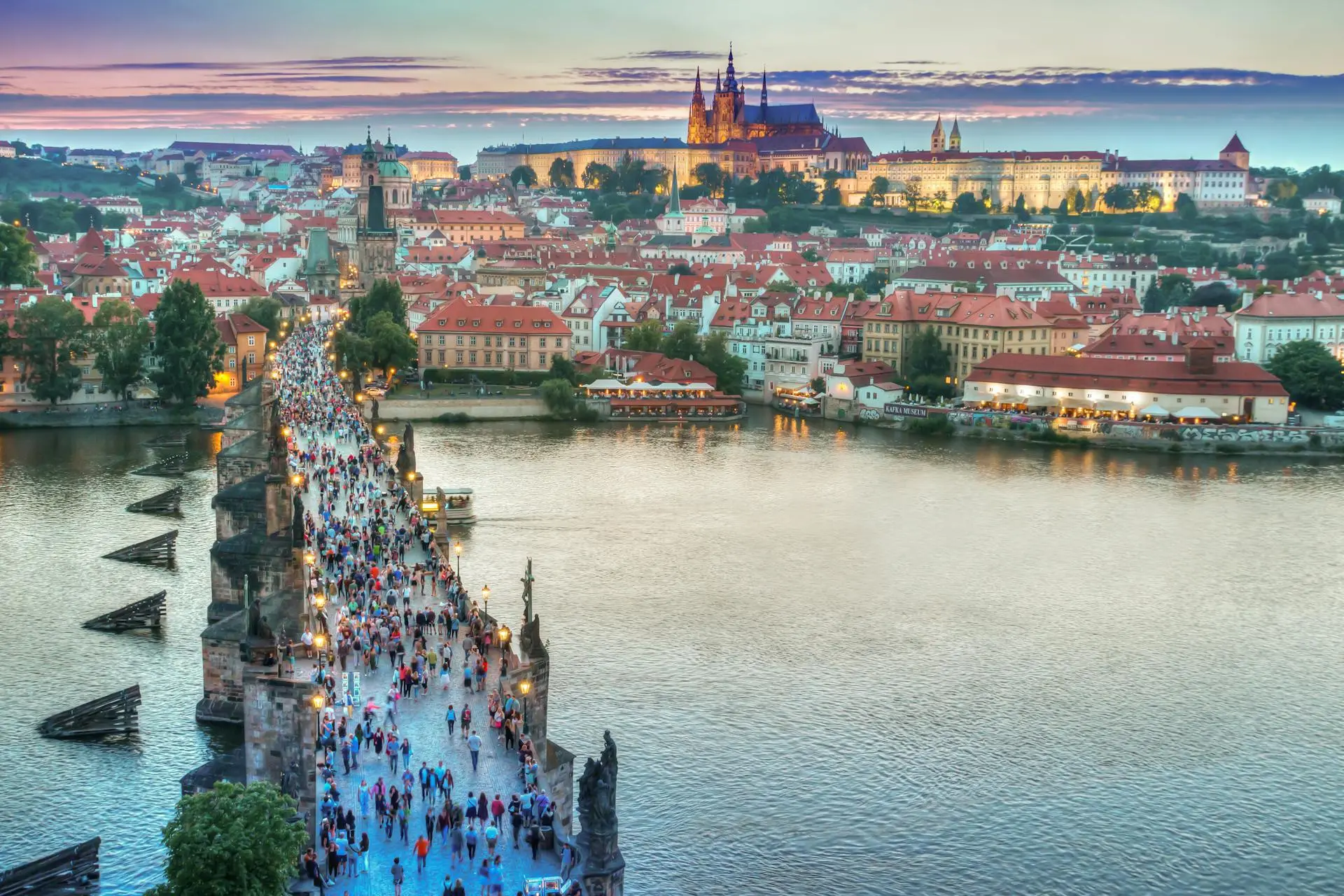
Explore the best of Germany, Poland, and Czech Republic with this expertly crafted itinerary for a perfect Central European adventure.
When I started planning my itinerary for Germany, Poland, and the Czech Republic, I wanted a trip that combined history, culture, and stunning scenery. These three countries are close to each other, but they each have something unique to offer. Germany’s mix of modern cities and medieval towns draws you in, Poland’s strength and cultural depth impress you, and the Czech Republic’s fairytale-like architecture and laid-back atmosphere charm you.
They work together to make a trip that feels both varied and well-connected. This route has a little bit of everything, from exploring old castles and walking through old market squares to just taking in the changing landscapes from forests and rivers to mountain ranges.
Most people who travel should plan a trip that lasts 10 to 14 days. It gives you enough time to see the main sights in each country without having to rush from one city to the next. I suggest going between late spring and early autumn (May to September) if you can be flexible. The weather is pleasant during these months, and there are often local festivals and cultural events that make the trip even more interesting.
It’s not just about checking off cities on this itinerary; it’s about seeing how these three countries are different and how they are connected. That’s what makes it so special.
Read | Paris Barcelona Lisbon Itinerary: How to Spend 10 Days in Europe
Planning Tips for Central Europe Itinerary
I learned that good planning makes all the difference when creating an itinerary for Germany, Poland, and the Czech Republic. It’s easier and more fun to travel when you have everything planned ahead of time, from picking the right season to figuring out how to get there and packing.
Best Time to Visit Central Europe
The best time to visit Germany, Poland and Czech Republic really depends on what you want to do:
- Spring (March to May): The weather is mild, the flowers are blooming, and there are fewer people. Good for city tours and walking tours.
- Summer (June to August): Warm weather, long days, and lots of local festivals. In big cities like Berlin, Prague, and Kraków, you can expect more people.
- Fall (September to November): The air is fresh, the scenery is colorful, and there are harvest festivals. A season for travel that is quieter but still beautiful.
- Winter (December to February): It’s cold, but it’s also magical, especially if you’re going to Christmas markets in Germany or the Czech Republic. Poland is also a great place to spend the winter because it has nearby ski resorts and a cozy atmosphere.
I like late spring and early fall because the weather is nice and there aren’t as many people traveling.
Entry and visa requirements
A Schengen visa covers Germany, Poland, and the Czech Republic for most travelers because all three are in the Schengen Zone. People from the EU, the US, Canada, and a few other countries can usually enter without a visa for up to 90 days.
For people from other countries, it’s a good idea to check the websites of their embassies ahead of time to find out what they need to do to get a visa and enter the country. It is also highly recommended that you get travel insurance.
Ways to Get Around
It’s easy to get around. You can fly into any of the main hubs, like Berlin, Warsaw, or Prague, and then take a bus or train to get to your final destination. Trains are one of the best ways to get from one city to another. If you plan to make a lot of stops, a rail pass can save you time and money. Buses are another good choice, especially for short trips or trips on a budget.
Renting a car is a good option if you want to be able to change your plans. It’s easy to explore smaller towns or country roads, but I thought public transportation was more than enough in big cities. A good way to go would be to start in Berlin, go east to Poland (Warsaw or Kraków), and then fly out of Prague.
Packing Essentials for Central Europe
Packing for this trip means getting ready for different kinds of weather:
- Clothes: For spring and fall, wear light layers. For summer, wear breathable fabrics. For winter, wear warm coats.
- Tech: A phone, a universal travel adapter, chargers, and a power bank.
- Must-haves: a water bottle that can be used more than once, travel-sized toiletries, and copies of important papers.
- Apps: Google Maps (or offline maps), language apps like Duolingo, and sites where you can book trains and places to stay.
If you plan ahead, you won’t have to worry about stress later and can enjoy your trip.
Itinerary for Germany, Poland and Czech Republic
Days 1–3: Arrival in Berlin, Germany
I knew I wanted to start my trip to Germany, Poland, and the Czech Republic in Berlin. The city is not only Germany’s capital, but it is also one of the most interesting places in Europe for culture and history. Berlin is the best place to start this journey because it is modern, lively, and full of history.
Getting there and getting used to it
When you get to Berlin, I usually tell people to take it easy on the first day. Check into your hotel, drop off your bags, and get to know the area. Where you stay can affect how you feel:
- Mitte is the best place for people who are going there for the first time. It’s in the middle of things, close to famous places like Museum Island and Brandenburg Gate, and has a lot of restaurants and cafes.
- Kreuzberg: A lively neighborhood with a creative and diverse feel. Great if you want to experience local culture, nightlife, and street food.
- Charlottenburg is a quieter, more elegant neighborhood with tree-lined streets, historic buildings, and a slower pace.
Getting settled in early gives you time for a short walk or dinner at a local restaurant, which lets you get a feel for the city before you start sightseeing.
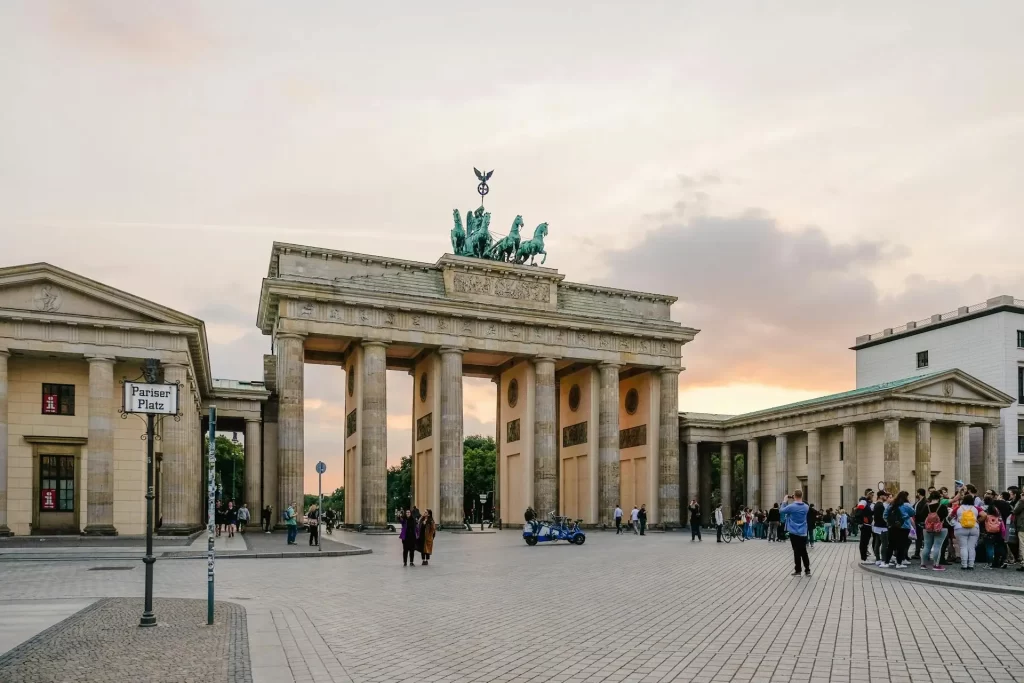
Day 1: Visit Berlin’s famous sights
You should walk or take short metro rides around Berlin, especially on your first full day. I began my trip with the city’s famous landmarks:
- Brandenburg Gate: This is probably Berlin’s most famous landmark. It’s not just a place to take pictures; it’s also a way to learn about the city’s history.
- The Reichstag Building is close by and is where Germany’s parliament meets. People who come can sign up for a free tour and climb up to the glass dome to see the whole city.
- Holocaust Memorial (Memorial to the Murdered Jews of Europe) – This memorial is a sad but important place that makes people think about Germany’s past.
I walked to the Berlin Wall Memorial and then to the East Side Gallery, where parts of the old wall now show colorful murals painted by artists from all over the world. It reminds us of how Berlin turned separation into art.
Going to Alexanderplatz in the evening is a great way to end the day. The busy square has shops, restaurants, and the Berliner Fernsehturm (TV Tower), where you can take an elevator ride to the observation deck and see the city skyline lit up at night.
Day 2: Culture and Museums
Berlin has so much cultural depth that you should spend a whole day there. I started at Museum Island, a UNESCO World Heritage Site that has many world-class museums, such as the Pergamon Museum, which has rebuilt ancient monuments, and the Altes Museum, which has classical art and archaeology.
The Berlin Cathedral is next door. It’s a beautiful baroque-style church with a dome you can climb to get a different view of the city. The Berlin State Opera is another cultural gem nearby that you should check out for evening shows if you like live performances.
I wanted to slow down by the afternoon, so I walked through Tiergarten Park, Berlin’s biggest and most beautiful park. It’s a great place for a picnic, a bike ride, or just some time to relax after a morning of visiting museums. The Berlin Zoo, which is one of the most famous zoos in the world, is on the west side of the park. It’s a nice way to end the day, especially if you’re with family.
Day 3: A Day Trip from Berlin
I suggest taking a day trip just outside the city after spending two full days in the capital to see things from a different angle. Berlin has a lot of trains that connect to other cities, making short trips easy:
Potsdam is only 40 minutes from Berlin and is known for the Sanssouci Palace, which is often compared to Versailles. The gardens and baroque architecture of the palace make for a peaceful day in the middle of history and nature.
Sachsenhausen Concentration Camp Memorial: This site gives people who are interested in history a deeper understanding of the horrors of World War II. It’s about an hour from Berlin and is a sobering but important visit.
Days 4–6: Go to Warsaw, Poland
After three wonderful days in Berlin, I moved on with my trip by going east to Warsaw, the capital of Poland. People who visit this city are often surprised by how well it has bounced back since World War II and how modern energy and deep history come together in everyday life. Warsaw is a natural stop between Germany and the Czech Republic because it’s easy to get there by train or plane.
Getting to Warsaw
Getting to Warsaw is not too hard. Warsaw Chopin Airport, the city’s main airport, is only a short drive from the city center and is easy to get to by train, bus, or taxi. If you take the train, you’ll probably get to Warszawa Centralna Station, which is right in the middle of the city and a great place to start your trip.
I recommend two main areas for places to stay, depending on what kind of experience you want:
- Old Town is a great place to stay if you want to be near historical sites, cobblestone streets, and busy squares.
- Praga District: This is a more artistic and alternative neighborhood known for its street art, local markets, and growing cultural scene.
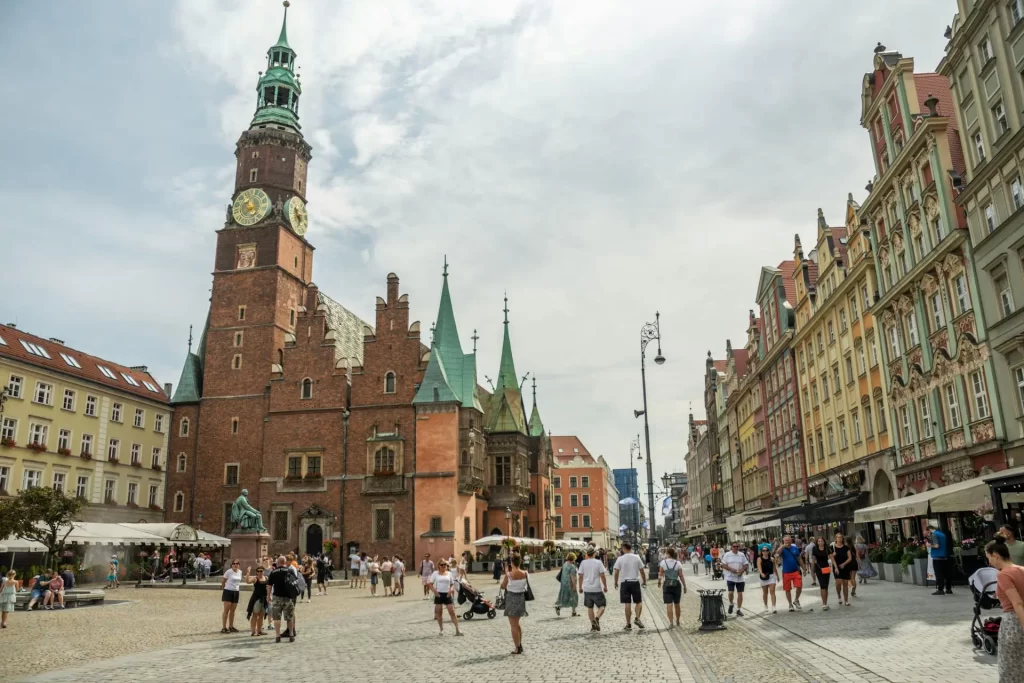
Day 4: Discover Warsaw’s Old Town
I spent my first day in Warsaw walking around its Old Town, which is a UNESCO World Heritage Site that feels both old and new. It was rebuilt after the war and is a sign of how strong the city is.
I began at the Royal Castle, where Poland’s kings used to live. Then I walked through the colorful Market Square, which is full of restaurants and cafés. The Warsaw Barbican, which is part of the old city walls, gives you a look into the past.
The Royal Route will lead you to Łazienki Park, which is one of the most beautiful parks in Warsaw. The Palace on the Isle is a highlight of the park. It is on a peaceful lake. Warsaw is special because it has both city and nature. It never feels too much.
I went to a few local cafés in the evening to try some Polish classics. You have to try pierogi, which are dumplings that can be filled with meat, cheese, or mushrooms. Zapiekanka, a long baguette with cheese, mushrooms, and sauces on top, is a popular street food in the area. Of course, the best place to eat Poland’s famous kielbasa (sausage) is at a small restaurant or on the street.
Day 5: Modern Warsaw and Historical Insights
On day two, we learned more about Warsaw’s history while also seeing its modern side. I started at the Warsaw Uprising Museum, which gives a powerful look at the 1944 uprising against Nazi rule. The interactive exhibits make it interesting and emotional.
Next, I went to the POLIN Museum of the History of Polish Jews. It’s not only a beautiful building, but it’s also one of the most important museums in the country. It tells the story of Polish Jews over the years, which helps explain the city’s many cultural roots.
In the afternoon, I went to Wilanów Palace, which is often called the “Polish Versailles.” The baroque style and gardens make it one of the most beautiful places in the city.
To end the day, I went to the Vistula Boulevards, a busy riverside area with lots of bars, restaurants, and places to sit outside. It’s a great place to unwind, watch people, and take in the view of the river as the city lights come on.
Day 6: Day Trip from Warsaw
I was ready for a short trip outside of Warsaw by the third day. There are two great choices, depending on what you like:
Żelazowa Wola is where Frédéric Chopin was born, and it’s only an hour from Warsaw. The manor house is now a museum with gardens around it. It’s a quiet place for music lovers to get away from it all.
Auschwitz-Birkenau Memorial and Museum: This site is one of the most important historical memorials in Europe, but it’s a little farther away (about 3.5 hours by train or car). It is hard to visit this place because it makes you think about the horrors of World War II.
Either choice will make your time in Warsaw more interesting by adding culture, history, and time to think.
Days 7–9: Go to Kraków, Poland
Kraków, one of Poland’s most beautiful and historically rich cities, was the next stop on my trip to Germany, Poland, and the Czech Republic. Kraków has a preserved medieval center, a lively cultural scene, and UNESCO sites nearby. It moves at a slower pace than Warsaw but has just as much depth.
Getting to Kraków
It’s easy to get from Warsaw to Kraków. My top suggestion is the high-speed train. It takes about 2.5 to 3 hours and drops you off right in the city center. Buses are a cheap option, but they can take 5 to 6 hours, depending on traffic. You can also fly, but the train is usually the best option because it doesn’t require you to take a taxi to the airport.
I suggest staying in one of these neighborhoods:
- Stare Miasto (Old Town): This is a great place to stay if you want to be close to famous places like Wawel Castle and Main Market Square.
- Kazimierz (Jewish Quarter) is a lively, cultural neighborhood with cobblestone streets, synagogues, and lots of local cafés, bars, and art galleries.
Each area has its own personality, so it really depends on whether you like a more central, historic setting or a lively, bohemian vibe.
Day 7: Visit the Old Town of Kraków
I started at the Main Market Square (Rynek Główny), which is one of the biggest medieval squares in Europe. The Cloth Hall (Sukiennice) is in the middle. It used to be a major trading center, but now it has shops and a small museum. The St. Mary’s Basilica, which has beautiful Gothic towers and a trumpet call every hour from the highest spire, looks over the square.
From there, I walked up to Wawel Castle and Wawel Cathedral, which are on a hill that looks down on the city. Both are very important to Poland’s royal history. They have beautiful buildings and artifacts that bring hundreds of years of culture to life.
In the evening, I suggest taking a leisurely walk along the Vistula River or finding a cozy pub in Kazimierz or the Old Town. Kraków has a lively nightlife, but even a quiet dinner of traditional Polish food can make for a memorable night.
Day 8: Day Trip to Auschwitz-Birkenau
The second day, I took the important trip to the Auschwitz-Birkenau Memorial and Museum, which is about an hour and a half from Kraków. This place is one of the most important reminders of the Holocaust and World War II.
It is important to walk through the preserved barracks, gates, and memorials, even though it is an emotional and sobering experience. Guided tours are available and highly recommended because they give you historical context that makes the visit even more meaningful. The visit is hard, but it adds depth and perspective to any trip to Poland.
Day 9: Explore More of Kraków
On the third day, I went outside of the Old Town to see more. Kazimierz District used to be the center of Jewish life in Kraków. Now it is a lively neighborhood full of history, culture, and energy. I went to a few synagogues and spent time at the Schindler’s Factory Museum, which gives a detailed look at what Kraków was like during the Nazi occupation.
In the afternoon, I had two great choices:
- Wieliczka Salt Mine: This UNESCO World Heritage Site is just outside Kraków and has an interesting underground world of salt-carved chapels, tunnels, and sculptures. The size and beauty of the art are amazing.
- Tatra Mountains: If you like nature more, you can take a day trip to the Tatras (about 2–3 hours away) to hike, see beautiful views, and enjoy the charm of the town of Zakopane.
Depending on whether you like history and culture or nature more, either option is a great way to end your time in Kraków.

Days 10–12: Travel to Prague, Czech Republic
The last stop on my trip to Germany, Poland, and the Czech Republic was Prague, the capital of the Czech Republic. I had already seen the beauty and history of Poland. Prague is known as the “City of a Hundred Spires” because of its Gothic architecture, charming streets, and vibrant cultural scene. It is a must-see in Europe.
Getting to Prague
It is easy to get from Kraków to Prague. You can take a train that takes about seven hours and has beautiful views along the way, or you can take a bus, which is a cheaper option. If you don’t have much time, you can fly, which usually takes a little over an hour.
It depends on what kind of experience you want where you stay:
- Old Town (Staré Město): It’s in the center of the city, has a lot of history, and is close to major attractions like Old Town Square and Charles Bridge.
- Lesser Town (Malá Strana): Cute and charming, great for people who like quiet neighborhoods and cobblestone streets.
- New Town (Nové Město): A mix of modern conveniences and old-world charm, great for shopping, eating out, and going out at night.
For first-time visitors, I like Old Town better because it keeps the best parts of the city close by.
Day 10: Visit Prague Castle and Old Town
I spent my first full day in Prague exploring the Old Town and Prague Castle, which are two places that make the city so special.
I started at Old Town Square, where the Astronomical Clock draws crowds every hour for its animated show. The square looks even more historic because of the nearby Tyn Church, which has beautiful Gothic spires. As I walked through the square and the streets around it, I saw many cafés and shops selling traditional Czech pastries and coffee. It was the perfect way to spend a mid-morning break.
From there, I went to Prague Castle, a huge building on a hill that looks over the city. The Royal Palace, the beautiful St. Vitus Cathedral, and the charming Golden Lane are all on the castle grounds. When you walk around the castle, you feel like you’re in a different time, with history all around you.
I crossed the famous Charles Bridge in the evening. It’s truly magical to walk across this medieval bridge and see the city lights reflected in the Vltava River. Street performers and artists make the atmosphere lively, and the views of Prague’s skyline are the best.
Day 11: Culture, museums, and galleries
There is more to Prague than just its buildings; it also has a lively cultural scene. I spent the second day going to galleries and museums. The National Museum gives a full picture of Czech history and culture, while the Czech Museum of Music shows how rich the country’s musical history is.
Next, I went to the Jewish Quarter (Josefov), which tells an important story about the Jewish community in Prague. The Old Jewish Cemetery and a number of historic synagogues, each with its own unique architecture and historical importance, are some of the most important sites.
Day 12: Relax and Explore the City
On the last day, I took it easy in the city. You can see all of Prague from Letná Park, which is a great place to have a coffee or take a leisurely walk while looking at the city’s skyline.
After that, I went to Vyšehrad, which is a historic fortress with beautiful gardens and churches. It’s less crowded than the main castle area, so you can learn about Prague’s history in peace while taking in beautiful views of the Vltava River.
You can’t go to Prague without trying some traditional Czech food. I tried svíčková, a beef dish with cream sauce, and classic Czech goulash. Trdelník, a pastry made with cinnamon and sugar, is a great sweet snack to have while walking around the city. These food experiences made my trip to Prague even more interesting.
Days 13 and 14: Day Trips from Prague
After seeing the main sights in Prague, I spent the last two days of my trip in nearby towns that have a slower pace and interesting historical sites.
Day Trip 1: To Kutná Hora
Kutná Hora is a UNESCO World Heritage town an hour east of Prague. It is known for its history of silver mining. The Sedlec Ossuary, also known as the “Bone Church,” is the best part. It has beautiful decorations made from human bones that are very striking and hard to forget. I also liked St. Barbara’s Church, a beautiful Gothic cathedral with amazing architecture and detailed frescoes.
Book | Kutná Hora, St.Barbara’s Church, Sedlec Ossuary
Day Trip 2: Český Krumlov
Český Krumlov is a fairy-tale town about 2.5 hours south of Prague that feels like it has been frozen in time. The winding streets, medieval castle, and beautiful views of the Vltava River make it a great place to spend a day exploring at your own pace. I thought Český Krumlov was a nice change from the busy energy of Prague. I liked walking through the cobblestone streets and stopping by the local cafés.
Essential Factors to Plan a Central Europe Itinerary
I learned that knowing practical travel information makes a big difference in how much I enjoy my trip to Germany, Poland, and the Czech Republic. Having these basics down, like money, communication, safety, and local customs, can help you avoid stress and make your itinerary for Germany, Poland, and the Czech Republic go more smoothly.
Money and Payments
This itinerary goes to different countries, each of which uses a different currency. So, it’s important to plan ahead:
- Germany: Euro (€)
- Poland: the Polish Zloty (PLN)
- Czech Republic: Czech Koruna (CZK)
I learned that a mix of cash and cards is the best approach. Most cities, restaurants, and stores accept credit and debit cards, but smaller markets and cafes may prefer cash. It’s easy to find ATMs, especially in cities, and banks or currency exchange offices offer fair rates. One piece of advice I often follow is to take out larger amounts of money at once instead of making several small withdrawals.
Language and Communication
A lot of people speak English in tourist areas, but knowing a few simple phrases can help a lot:
- In German, “Hallo” means “Hello,” “Danke” means “Thank you,” and “Entschuldigung” means “Excuse me.”
- Polish: Dzień dobry (Good day), Dziękuję (Thank you), and Przepraszam (Excuse me)
- Czech: Dobrý den (Good day), Děkuji (Thank you), and Promiňte (Excuse me)
Language apps like Google Translate and Duolingo are great for translating and pronouncing words, especially when you’re trying to get around in a new place.
Health and Safety
It’s usually safe to travel through Germany, Poland, and the Czech Republic, but you should still be careful:
- Watch your things, especially when you’re in a crowded place or on public transportation.
- Use ride-sharing apps or taxi services that you can trust.
- Keep a copy of important papers with you, like your travel insurance and passport.
Most travelers don’t need any special shots for their health, but it’s best to keep up with your regular shots. I always have a basic first-aid kit with me, and I have travel insurance that covers medical emergencies. Sightseeing days are more fun when you drink enough water and wear comfortable shoes.
Local Etiquette and Customs
Knowing the customs of the area helps you fit in and shows respect:
- Tipping: In Germany and the Czech Republic, 5–10% is normal in restaurants. In Poland, it’s nice to round up the bill or leave 10%.
- Table manners: Don’t talk on the phone loudly while you’re eating, and wait to be seated in restaurants.
- Kind gestures: A smile and a simple greeting in the local language can go a long way. Be respectful in churches and historical sites, especially when taking pictures.
Following these tips will make your interactions go more smoothly and make your trip more fun.
