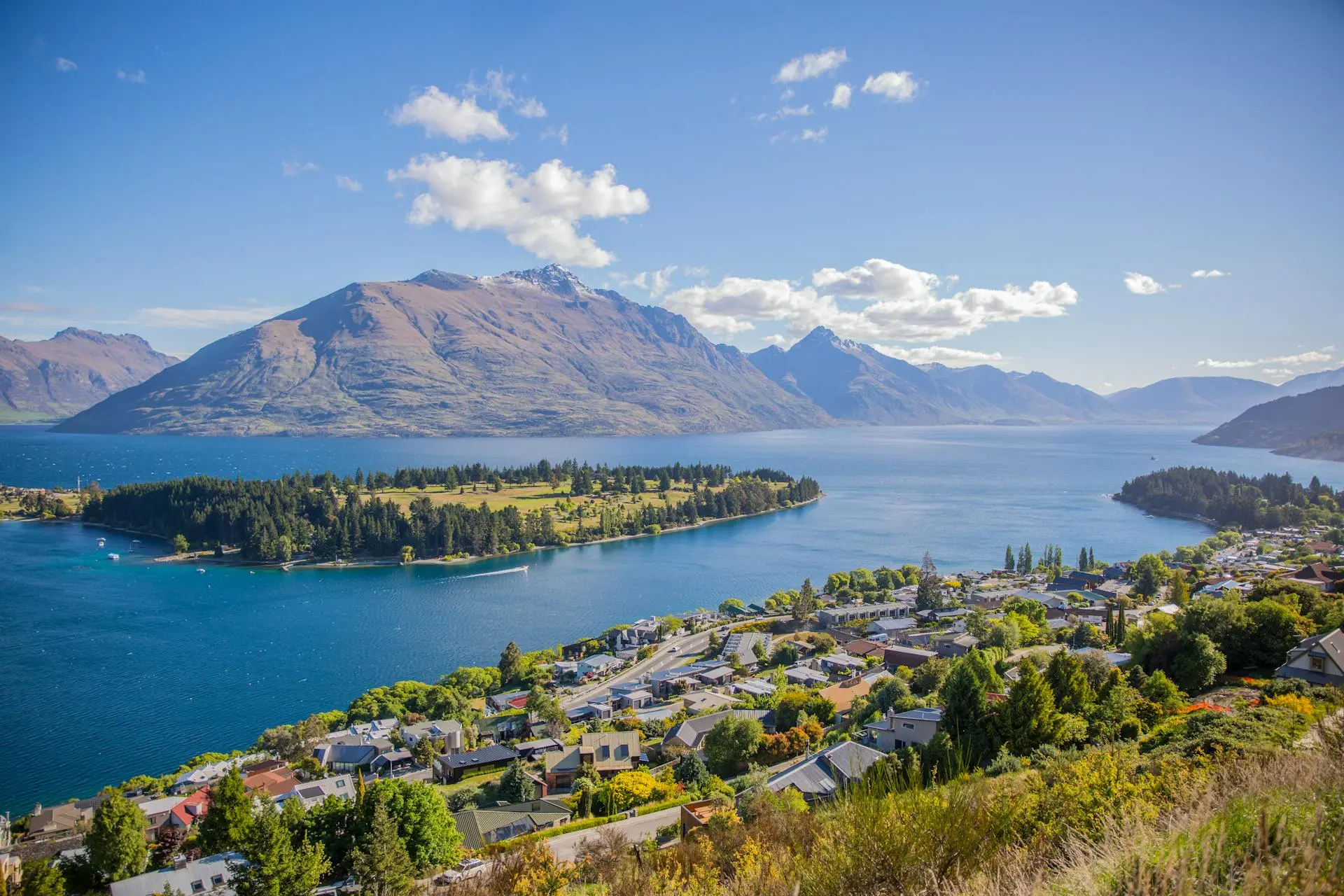
Hitting the road in New Zealand is one of the best ways to see the country. You can cruise along cliff-hugging coastal roads, climb dreamy mountain passes, or wander through nowhere on quiet dirt lanes. You get to call the shots, so you can linger at the places where the big buses never stop.
Whether you want a weekend loop around one island or a months-long expedition across both islands, knowing the local road rules, what the terrain’s up to, and how the seasons change is key to making your trip fun and safe.
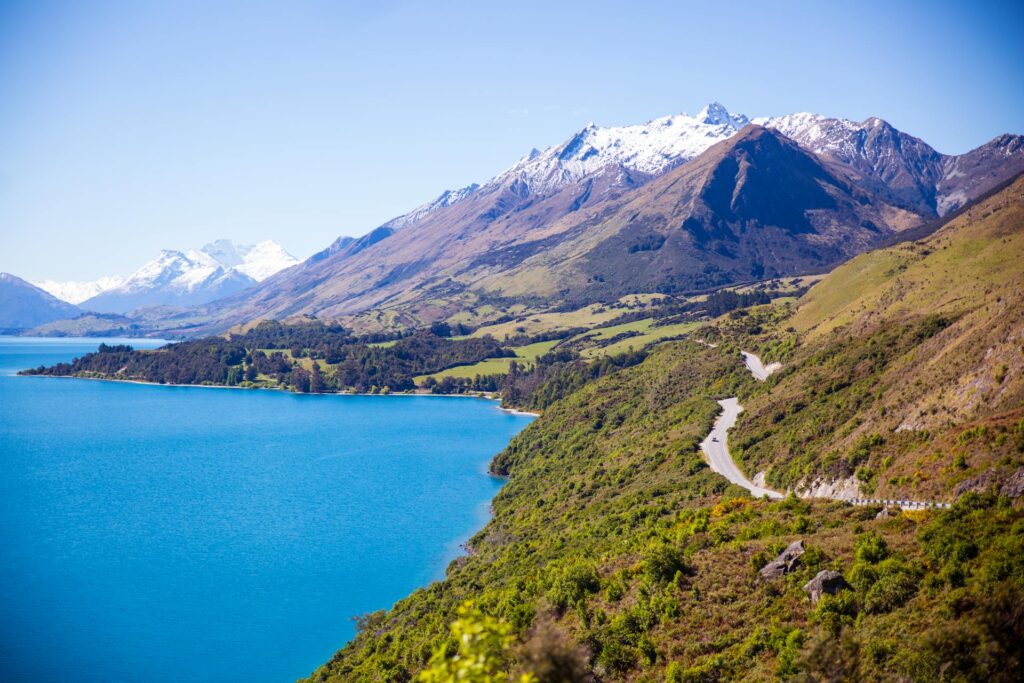
The roads here are in good shape, but the scenery can keep changing. You’ll probably meet some skinny roads with tight curves, cross a handful of one-lane bridges, and maybe roll over a few dusty bits if you wander off the main drag. The weather can flip on you, too: rain, snow, or fog can show up just when you least expect it, so check the forecast wherever you’re going.
If you’re from another country, remember we drive on the left here. Signs and speed limits show kilometres, and the police will stop you if you’re going too fast. You can rent anything from little cars to big campervans, but it’s best to book early if you’re visiting during the busy months.
This guide has you covered on what you need to know before you start driving—like the key rules of the road, safety hacks, what to watch for in different seasons, fuel prices, and how to plan the best routes. Knowing this stuff ahead of time means you’ll make smarter choices, dodge rookie errors, and spend your energy soaking in the amazing scenery instead of stressing over the details.
NZ Road Rules Every Visitor Must Know
New Zealand’s road rules are actually designed to ensure safety for drivers, passengers, and pedestrians. While some may be familiar to international visitors, others can be different from what you might be used to. Knowing these handy quick rules before you drive will help you stay safe, avoid fines, and travel confidently.
Driving on the Left
In New Zealand, all vehicles must be driven on the left-hand side of the road. This applies in all situations, including city streets, rural highways, and motorways. For visitors from countries that drive on the right, this can take some adjustment.
- Intersections: When turning, always enter the lane closest to you on the left. At T-intersections and cross roads, follow the posted give-way signs.
- Passing and Overtaking: Always overtake on the right-hand side. You must have a clear view of the road ahead and ensure no oncoming traffic is within a dangerous distance. Solid yellow lines mean overtaking is not allowed.
- Keep Left Unless Overtaking: On multi-lane roads and highways, the left lane should be used for regular driving, and the right lane only for overtaking or preparing to turn right.
Speed Limits
Speed limits are posted in kilometres per hour (km/h) and strictly enforced.
- Urban Areas: 50 km/h unless signs indicate otherwise.
- Rural Roads: 100 km/h on open roads and rural highways.
- Motorways and Expressways: 100 km/h unless a lower limit is posted.
- Special Zones: School zones, construction sites, and certain city areas may have limits as low as 30–40 km/h.
Speed cameras, mobile radar units, and police patrols are common. Fines for speeding can be significant, and in some cases, licences can be suspended for serious offences.
Seatbelts and Child Restraints
Seatbelts are mandatory for all passengers, whether seated in the front or back. Drivers are legally responsible for ensuring every passenger is buckled up.
- Children under 7 years: Must be secured in an approved child restraint appropriate for their age and size.
- Children aged 7: Must use a child restraint if one is available.
- Children aged 8–14: Must use a seatbelt if no child restraint is required.
Failing to comply can result in on-the-spot fines for the driver.
Alcohol Limits
New Zealand has strict drink-driving laws.
- Under 20 years old: Zero alcohol tolerance. Any detectable amount can result in penalties.
- 20 years and older: The legal limit is 250 micrograms of alcohol per litre of breath or 50 milligrams per 100 millilitres of blood.
Random breath testing is common, and penalties for exceeding the limit can include heavy fines, loss of licence, and imprisonment for serious cases.
Mobile Phone Use
Using a handheld mobile phone while driving is illegal. This includes calling, texting, checking maps, or browsing. Hands-free devices are allowed, but drivers are still expected to remain in full control of the vehicle. Breaking this rule can result in fines and demerit points.
Roundabouts
Roundabouts are common in both urban and rural areas, and the rules are straightforward but important to follow.
- Right-of-Way: Vehicles already on the roundabout have the right-of-way. Give way to all traffic approaching from your right.
- Signaling:
- If turning left, signal left before entering and while exiting.
- If going straight, signal left just before you exit.
- If turning right, signal right as you enter and switch to a left signal before exiting.
- Always travel in a clockwise direction.
Other Key Rules to Remember
- Headlights: Use headlights from 30 minutes after sunset until 30 minutes before sunrise, and during poor visibility.
- Pedestrian Crossings: Always stop for pedestrians waiting to cross at marked crossings.
- Cyclists: Allow at least 1.5 metres when passing.
- Parking: Obey signs and avoid parking on yellow lines or blocking driveways.
Why Following the Rules Matters
New Zealand’s roads often pass through small communities, scenic rural areas, and regions with varied terrain. Strict enforcement of road laws helps reduce accidents and keeps both locals and visitors safe. By following the rules, you protect yourself, your passengers, and other road users — and avoid costly fines or travel disruptions.
Licensing & Documentation Requirements
The first thing you need to do is double-check that you have the proper licence, documents, and insurance in place. The country has clear rules about who can get behind the wheel and what papers you need, especially if you’re from overseas.
Driver’s Licences You Can Use
If you’re from overseas, you can drive in New Zealand for up to 12 months using your valid home country driver’s licence. Just one catch: if your licence isn’t in English, you need one of these:
- An International Driving Permit (IDP) issued in your home country, or
- An official English translation of your licence from a service that’s been approved.
Make sure to carry the licence or permit with you whenever you drive, and show it to the police if they ask. A digital version on your phone won’t do—the original card or document is required.
Age to Drive
The law here says you can get a driver’s licence at 16, but rental car companies set their own rules and they tend to be stricter. Most will let you rent a car only if you’re at least 21, and if you’re under 25, a “young driver” fee often kicks in. Larger vehicles, like motorhomes, may have a minimum age of 25.
Car Insurance in New Zealand
In New Zealand, you aren’t legally required to insure a private car, but sensible travellers will sort cover anyway. When you hire a vehicle, you’ll usually come across a few basic options:
Basic Protection
This is built into almost every rental. It limits what you would have to pay if the vehicle is smacked, stolen, or damaged, yet the excess can often bite you. Even a minor hit may land you with a hefty bill.
Full Protection / Zero Excess
Pay a little extra here and you’ll cut or eliminate your financial blow in almost every case. It can feel steep, but if you aren’t used to the local roads or conditions, it’s a welcome cushion against surprises.
Cover for Third-Party Liability
In case you borrow a mate’s car or buy a cheap runabout, at the very least shoulder some third-party cover. That way you won’t have to foot the bill for wrecking someone else’s pride and joy.
Before you hit the road, take a moment and read the fine print in your rental contract or policy. Look for the exclusions: for example, if you manage a dent while cruising on a gravel road or if the breathalyser shows red, you may find yourself paying the full repair bill.
[Read: South Island New Zealand Road Trip: Routes & Travel Tips]
Seasonal Driving Conditions in New Zealand
New Zealand’s profile of mountains, lakes, and coastlines means driving conditions can rapidly change with the seasons. Knowing what each time of year brings beforehand can help you stay safe and get the most out of your journey.
Spring (September – November)
Spring weather changes rapidly with a mix of sunshine, showers, and the tail end of winter in the mountains. Most highways stay clear, but the higher passes can still get fresh snow, while lowland regions see sudden bursts of rain.
Weather notes – Rainfall is often brief but intense, and it can wash away the fine dust that settles after dry spells, creating slippery patches. Early morning fog is a regular visitor in the river valleys, so beam patterns can be low and eerie.
Driving tips – On wet roads, lower the speed and keep headlights on even in daylight. If you’re crossing gullies or ridges, be alert for the first autumnal debris, which can range from small stones to whole branches loosened by the downpours.
Smart journey choice – The sweeping coastal loops, like the Coromandel Peninsula or Northland, stay snow-free and provide more predictable weather, so they’re a safe bet for spring criss-crossing.
Summer (December – February)
Summer gives you long, gilded days, perfect for that overdue road trip. The downside is peak traffic, especially when the holiday break kicks in.
Weather impact—Some places can see hot days, and low sun at either end of the day can make the road hard to see.
Driving tips—Slip on your sunglasses and check that your windscreen is spotless to cut down on glare. Always pack extra water, especially if you’re heading into the South Island’s remote heart.
Traffic considerations—Traffic thickens around holiday hot spots and is extra heavy during the Christmas–New Year period. Make ferry and room bookings ahead of time to keep your itinerary on track.
Autumn (March–May)
Temperatures are usually mild, but the north stays warmer while the south cools down, so expect variation. It’s a pleasant time for travel, with lighter traffic after the summer rush.
Weather impact—Plenty of clear days, but cold nights bite inland. Western coasts, especially around Fiordland, get extra rain.
Driving tips—Keep a close eye on wet road signs, since rain can arrive without warning. Fallen leaves can lie thick and slick, especially under trees, and will dull your grip.
Best routes for autumn—Central Otago has smooth, dry roads and wide-open views without the summer cut-off—perfect for carefree driving.
Winter (June – August)
Winter will push your driving skills to the limit, particularly across the South Island and the higher parts of the North Island.
Weather impact – Once the months change, powder snow, ice, and overnight frosts settle firmly in the alpine passes. The killer is black ice, a barely visible, perilous coat that sneaks onto shaded stretches overnight and can last until the morning sun rises high enough to clear the cold.
Driving tips – Keep your speed down the minute the frost arrives. Steer clear of stomping on the brakes or cranking the wheel sharply. When you start to climb or fall on a steep pass, slip the gearbox into a low gear to let the engine help you stay steady. Every morning, check the NZ Transport Agency website or a local station for the latest road warnings and snow reports.
Chains and equipment – Sliding into the Southern Alps? Pack a set of snow chains for passes like Arthur’s, the Crown Range, or the Desert Road. Make the time to practice clipping them on ahead of your journey; the alpine cold will not spare you the trial of a first-time fit.
[Read: The Best Time to Visit New Zealand: A Complete Guide to Weather, Seasons, and Activities]
Regional Considerations for Driving in New Zealand
North Island
In the far north, winters are mild enough that snow seldom settles, yet the days of heavy rain can still swamp low-lying roads or trigger slips into gorges and fern-fringed roads. Moving south, the Central Plateau—trackside towns near Tongariro National Park, especially—can brace for snow flurries that linger on high passes or icy night inversions that catch the unprepared.
South Island
The West Coast is in almost perpetual rain, with heavy bursts that put rivers over roads and slide debris in every valley. The Southern Alps and the high Canterbury foothills get their regular topping of powder; snow and the occasional spitting hail can change the look of a valley road from summer to winter in hours. The far south coastal roads, like those twisting through the Catlins, can be laid flat by roaring southwesterlies or a sudden glaze of ice, turning gentle headlands into testing sections at a moment’s warning.
Preparing for Seasonal Conditions
Check forecasts and road reports daily —Keep the NZTA app and MetService alerts within thumb reach; closures and snow-warning cones can lay a route flat before the breakfast tea cools.
Plan extra travel time —Flexible slots are the unwritten law; chains, sudden slips, or a rain-led road-lifting delay may outlast any neat planner boxes.
Carry emergency supplies—Sturdy jackets, space blankets, non-perishables, and a powerbank must join the sultanas; in valleys far from cell towers, a friend’s inbox must know the lap-and-back route.
Understand rental restrictions—The hire company wizard might deny marked passes, de-icing strips, or the snow-worn back road that turns a flat day into a white memory; read the fine scroll or risk a long night on the highway instead of the valley lodge.
Renting a Vehicle in New Zealand
Renting a vehicle is a super easy way to tour New Zealand’s South Island because it lets you go wherever you want without waiting for buses or trains. You can stop for ice cream, take a photo, or change your mind about your next stop. Before you hit the “book” button, take a minute to think about the different options, when you’re going, and what it’s going to cost.
Cars vs. Campervans – the Good and the Not-So-Good
Cars
- Good stuff: Cars are simple to drive, sip fuel, and cost less to rent than bigger wheels. They’re great if you’re sleeping in hotels, motels, or Airbnbs as you won’t need much extra space.
- Not-so-good stuff: You can’t fit much luggage, and you won’t have a place to sleep or cook unless you pack a bunch of extra stuff.
Campervans
- Good stuff: You get a car and a place to crash, all in one. They’re awesome if you want to park in campgrounds or holiday parks and feel free to take a different road whenever you feel like it.
- Not-so-good stuff: They cost more to rent and guzzle fuel, parking can be tricky in cities, and they crawl in the tight turns of mountain roads.
If you want comfort and easy living, stick with a car. If you’re ready for a little more adventure and want to camp wherever, a campervan is your move.
When to Book
- December to February is the peak season, and that’s when everybody and their cousin wants a car or campervan. Prices go up fast, so it’s smart to snag your wheels 3 to 6 months ahead of time to avoid the price hike.
- Shoulder Season (March–May & September–November): You’ll find more cars on the lot and the prices aren’t too high. The weather is still decent for driving and checking out the sights.
- Off-Season (June–August): The prices drop the most—but if you’re hitting spots like Queenstown or Arthur’s Pass, be ready for tricky roads because of snow. Campervans are still easy to find.
Fuel Costs in New Zealand
Gas prices change from one town to the next, but here’s a ballpark:
- Petrol (91 Octane): NZD 2.80–3.20 a litre.
- Diesel: Costs about NZD 2.10–2.50 a litre. Heads-up: you’ll pay Road User Charges (RUC) on diesel rides.
- Filling Up: Main brands—Z Energy, BP, Caltex, Mobil—are in most towns. In the sticks, keep an eye on the map; the gaps between stations can be wide. Most pumps are self-serve and take cards.
- Young Driver Surcharges: Under 25? Expect extra charges from most rental firms.
- Extra Insurance: Basic cover is usually in the deal, but the excess can be high. Full cover is pricier but kicks the excess way down.
- One-Way Fees: Planning to drop the car at a different location? There’s a fee for that.
- Additional Driver Fees: Most companies charge a fee for extra drivers, usually per day, unless that’s in your package.
- Mileage Limits: Most rentals throw in unlimited kilometres, but it’s smart to double-check before you hit the button to book.
How to Use Discover Cars
When it’s time to rent a car in New Zealand, go for Discover Cars. They check all the big rental companies in one place, so you don’t have to. Here’s why it’s a smart choice:
- You can spot the best prices for the dates you need in just a few clicks.
- You can sort options by the size of the car, how the gas policy works, and what kind of insurance you want.
- You’ll see the full price up front, so there are no sneaky fees later.
Using a site like Discover Cars will save you time and money, especially during busy travel months when cars sell quickly.
Useful Resources & Apps
NZ Transport Agency (NZTA) – The go-to for live road works, closures, and traffic heads-ups. Their site and social feeds keep the info fresh, so check them before heading into the bush or over any pass.
MetService – Our national weather crew gives the day’s forecast plus notices for serious weather and road conditions. Worth a look, especially when the alpine forecast looks shifty or when winter temps dip.
Navigation Tools – Google Maps suits the score for most towns and highways, but reception can vanish on the backroads. Download offline maps in advance or use Maps.me for a signal-free guide when the road narrows.
CamperMate – Trippers love this app for hunting down holiday parks, dump stations, loo stops, and nearby sights—all the necessities when the open road calls.
Gaspy – Fellow travellers keep this app buzzing with live fuel prices, so you’ll know where to fill the tank for the least coin.
Store these apps and sites on your device before you set the first playlist. They’ll keep you a step ahead, whether the route is planned or the weather throws a curve.
Final Recommendations
Driving in New Zealand gives you the freedom of the open road, but it also asks you to share the road with care. Make your number-one priority safety—stick to posted speed limits, know the local road rules, and stay switched on, especially in the curly country bends and when the weather swaps on you.
Give yourself extra hours on the clock. Map mileage doesn’t tell the whole story—many routes are tight, hilly, or threaded with jaw-dropping views that slow the flow. Padding your schedule means more time for pit stops, photo ops, and a stress-free arrival.
For more travel prep, these resources are worth a scan:
Christchurch to Queenstown Drive Guide—your roadmap to the South Island’s show-stopping route, complete with hidden gems.
Best Time to Visit New Zealand’s South Island—seasonal highlights, climate quirks, and when to chase the views.
South Island Itinerary Ideas—ready-made routes for epic trips, weekend escapes, or whatever speed you like.
Pack the right gear, know the rules, and take the trip in a good, steady rhythm. With a little forethought, you’ll drink in every curve of the drive, safe and happily.
