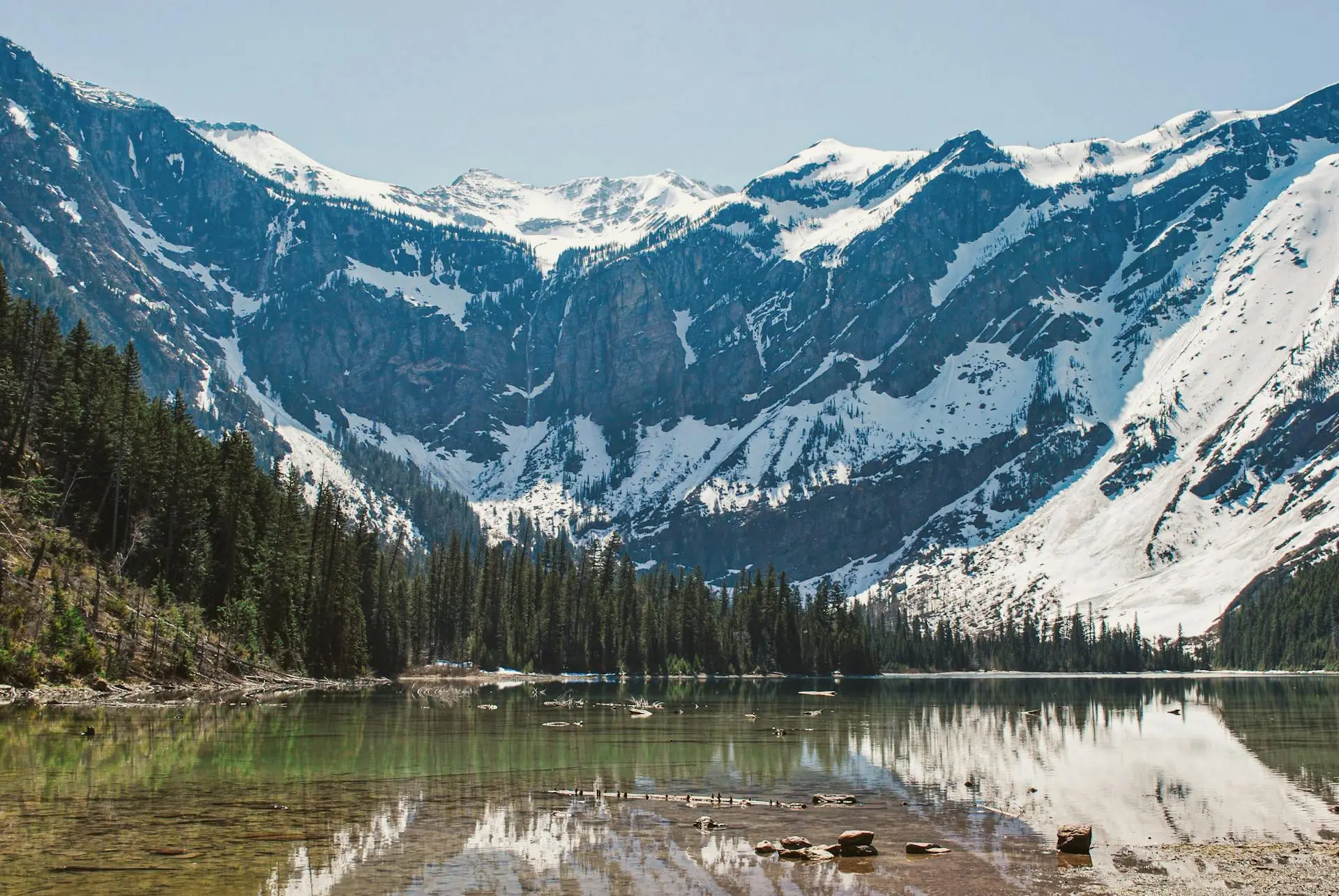
When I started mapping out my trip to Glacier National Park, I quickly figured out that picking the best time to visit wasn’t a small detail, it was the backbone of the whole adventure. The park works a little differently than a lot of places—its seasons change the views, the activities, and even the way you move around.
In summer, the epic Going-to-the-Sun Road swings open, letting you reach the top spots and soak in those crazy views. Spring cranks up the waterfalls and paints the hills green, while fall coats the valleys in golden larch trees and sharp, cool air. Winter, quiet and blanketed in snow, wraps the park in calm, with only a few trails still inviting you in.
Every season gives you a totally different take on Glacier—whether it’s the critters you might spot, the number of people around, or the price of a room. Figuring out when to come can flip the trip from crowded to calm and easy-going. I’ve learned that timing goes way beyond just checking the forecast; it’s really about matching your plans to the adventure you want.
Planning your trip and not sure how many days to spend? Check out my complete Glacier National Park itinerary guide where I cover 1, 3, 4, and 5-day trip plans with the best hikes, drives, and activities.
Quick Answer & Seasonal Overview
If you just want the short answer, here it is: the best time to visit Glacier National Park is late June through mid-September, when all park roads and trails are typically open, and the weather is warm enough for hiking and sightseeing at higher elevations. That said, this is also the busiest period, so you’ll be sharing those views with plenty of other visitors.
To me, the “best month” is just the starting point. The park feels totally different in every season, and which time you’ll love most depends on what you care about—whether it’s getting around easily, awesome views, specific activities, or some peace and quiet.
Want to cruise the famous roads and hit all the trails? July and August are the times to be there. Cool with a smaller crowd and still want to hike comfortably? Go in September. Crave that winter wonderland vibe, and can roll with some road closures? Winter will give you a stunning surprise.
Here’s the scoop on what every season does best:
| Season | Weather | Access | Crowds | Highlights |
| Spring (April–May) | Cool to mild in valleys, snow in mountains | Partial road/trail openings | Light | Wildflowers, waterfalls, wildlife emerging |
| Summer (June–Aug) | Warm days, cool nights | Full road & trail access by late June | High | Hiking, boating, scenic drives, ranger programs |
| Fall (Sept–Oct) | Crisp air, chilly nights | Most roads open until mid-Oct | Moderate to light | Fall foliage, fewer visitors, wildlife activity |
| Winter (Nov–Mar) | Cold, heavy snow | Limited access, closed high roads | Very light | Cross-country skiing, snowshoeing, solitude |
From my travels, I’ve noticed the park keeps people guessing. A late spring snowstorm can hold up the Going-to-the-Sun Road, and a surprise early snow in the fall can close it down early. If that drive is the main reason you’re going, check the park’s updates often so you don’t miss it.
Crowds matter, too. In the peak summer months, lots near the best trailheads can fill up before breakfast, and hotel prices skyrocket. Show up in spring or fall, though, and you’ll get cooler weather, quieter trails, and a better shot at seeing bears or moose.
So, there’s no one “best” time that suits everyone. I picture Glacier as four parks in one, and the right season is the one that matches the trip you want—whether that’s a summer bucket-list hike, a leisurely drive with epic views, or a super chill winter getaway.
If you’re planning to make the most of your visit to Glacier National Park, don’t forget to explore the scenic Bozeman to Glacier National Park road trip stops.
Month-by-Month Guide to Glacier National Park
When I first started exploring Glacier National Park, I realized that looking at the park by season wasn’t enough — each month here has its own rhythm. Snow levels, road access, wildlife behavior, and even the color of the landscape can change dramatically in just a few weeks. If you’re trying to plan your visit, here’s how each month typically unfolds based on my experience and years of following park conditions.
January – March: Deep Winter
January, February, and March are when Glacier National Park feels like a remote, untouched wilderness. Most of the park’s famous spots, like Logan Pass, are buried under deep snow. The Going-to-the-Sun Road is closed beyond Lake McDonald Lodge on the west side and beyond St. Mary Campground on the east side.
This is the time for winter sports lovers — cross-country skiing, snowshoeing, and winter photography are the main activities. I’ve found that wildlife sightings in winter often include elk, deer, and occasionally moose in lower elevations. Temperatures can be harsh, with lows well below freezing, and daylight hours being short. If you plan to visit, you’ll need to be self-sufficient and prepared for winter travel.
April – May: Early Spring
Spring arrives slowly in Glacier. In April, snow still covers much of the higher elevations, but valleys begin to thaw. This is when waterfalls run strong from snowmelt, and wildlife like bears start emerging from hibernation. By May, some lower-elevation trails are accessible, but higher passes remain closed.
I like visiting in May because the park is still quiet, and you can watch the landscape transition from winter to spring. However, you’ll need to accept that you won’t be able to drive the full Going-to-the-Sun Road or hike the high mountain trails.
June: Late Spring to Early Summer
June is a transitional month. Early June can still feel like spring, with lingering snow at higher elevations, but by late June, more roads and trails begin to open. Wildflowers start blooming in the valleys, and boat tours on Lake McDonald and St. Mary Lake resume.
If you’re coming in June, I recommend the second half of the month for a better chance at seeing more of the park open. Just remember that Going-to-the-Sun Road’s full opening often happens between late June and early July, depending on snow removal.
July – August: Peak Summer
These are the months when Glacier National Park is fully alive. All roads and trails are generally open, ranger-led programs run daily, and the weather is warm — perfect for hiking, boating, and photography. July and August are also the busiest months, so early mornings are key to finding parking and enjoying quieter trails.
In my experience, this is the best time for first-time visitors who want the “full Glacier experience” — from driving the Going-to-the-Sun Road to hiking high-elevation trails like Highline or Grinnell Glacier. Expect daytime highs in the 70s (°F) and cool evenings.
September: Early Fall
September is my personal favorite. The crowds thin out after Labor Day, temperatures cool, and the larch trees and meadows start changing color. Most facilities and roads remain open until mid- to late September, giving you almost the same access as summer but with a quieter atmosphere.
Wildlife activity increases as animals prepare for winter — it’s one of the best times to spot bears feeding before hibernation. Nights can get chilly, so layers are essential.
October: Late Fall
By October, Glacier starts to shift toward winter. Many lodges, campgrounds, and services close by early to mid-month, and Going-to-the-Sun Road often closes at higher elevations due to snow. Still, October has its charm — especially for photographers looking to capture the last of the fall colors without crowds.
You’ll have more limited access, but lower-elevation hikes and scenic spots like Lake McDonald remain beautiful and quiet.
November – December: Early Winter
November brings the first consistent snowfalls to most of the park, and by December, winter conditions are fully set in. Access is once again limited to the lower parts of the park, but it’s a peaceful time to visit for those who enjoy solitude.
Holiday visitors will find a very different park — one defined by snow-covered forests, icy lakes, and near silence. Winter gear and preparation are essential, as facilities are minimal.
Weather by Season in Glacier National Park
One thing I’ve learned after multiple trips to Glacier National Park is that the weather here is rarely predictable. Because the park spans a range of elevations — from low valleys to rugged mountain passes — conditions can vary dramatically within just a few miles.
Spring (April – May)
Spring in Glacier is a season of transition. In April, winter still holds onto the high country, while lower elevations begin to thaw. Temperatures in the valleys are cool but comfortable for walking and wildlife viewing. May brings more mild days, but snow is still common above 6,000 feet.
- What to Expect: Strong waterfall flows from snowmelt, muddy trails, limited road access, occasional rain or snow mix.
- Best For: Photography, wildlife watching, early-season solitude.
Summer (June – August)
Summer is the warmest and most accessible season in Glacier. July and August usually see the highest temperatures, and nearly all park facilities are open. Even in summer, mornings can be cool, and sudden thunderstorms can pass through in the afternoons.
- What to Expect: Clear, sunny days, accessible high-elevation trails, busiest crowds of the year.
- Best For: Hiking, boating, scenic drives, ranger programs.
Fall (September – October)
Fall is crisp and colourful. September often starts warm, especially in the first two weeks, but evenings cool down quickly. October sees a rapid shift toward winter, with possible snowfall in higher elevations.
- What to Expect: Fall foliage, fewer crowds, wildlife preparing for winter, colder nights.
- Best For: Photography, peaceful hikes, wildlife viewing.
Winter (November – March)
Winter is long and snowy in Glacier National Park. Only the lower sections of the park are accessible, and temperatures can drop well below freezing. Days are short, but the snow-covered landscape is stunning.
- What to Expect: Heavy snowfall, icy conditions, minimal services, full winter gear required.
- Best For: Cross-country skiing, snowshoeing, solitude.
Average Temperature & Precipitation by Season
| Season | Average High (°F) | Average Low (°F) | Average Precipitation | Notes |
| Spring (Apr–May) | 45–65 | 25–38 | 2–3 in | Mix of rain and snow; trails muddy |
| Summer (Jun–Aug) | 70–80 | 40–50 | 1–2 in | Afternoon thunderstorms possible |
| Fall (Sep–Oct) | 50–70 | 28–40 | 1–2 in | Crisp mornings, early snow at high elevations |
| Winter (Nov–Mar) | 25–40 | 5–20 | 2–4 in (snow) | Snowstorms and icy roads common |
(Data based on West Glacier averages; higher elevations are significantly colder.)
Pro Tip – If you’re planning for high-elevation hikes or the Going-to-the-Sun Road, remember that snow can linger well into June and return as early as September. Always check the National Park Service’s daily updates before heading out.
Road & Trail Accessibility in Glacier
From my own trips to Glacier, I’ve figured out that how well you can get around can make or break your visit. Some parks let you drive to every big viewpoint no matter what time of year, but Glacier’s big mountains mean that a bunch of the awesome roads and trails only open for a little while.
Going-to-the-Sun Road
Going-to-the-Sun Road is the big star of Glacier drives, and it totally lives up to the hype. The 50-mile stretch runs from West Glacier to St. Mary and climbs over Logan Pass, which is the ridge that splits North America’s rivers. The views up there are a one-and-done deal — you won’t see them twice.
- When it Opens: Late June to early July is the sweet spot, but snowplow crews sometimes have to chase a stubborn snowpack. In a heavy season, they might not declare the road totally clear until the middle of July.
- When it Closes: Mid-October is the usual goodbye, but a surprise snowstorm can push the gates shut a little early.
Some Access: Even if you can’t drive the whole thing, lower parts still let you in. During the spring, the stretch from West Glacier to Avalanche Creek is often open, and in the fall driving from St. Mary to Jackson Glacier Overlook is still doable.
I’ve learned to check the National Park Service road status page daily to ensure I can capture the perfect drive for my pictures and memories.
Other Key Roads
- Many Glacier Road: Usually opens late May or early June, taking you to trailheads for Grinnell Glacier and Iceberg Lake.
- Two Medicine Road: Usually clear by mid-May; enjoy beautiful lakeside views and trails with fewer crowds.
- North Fork Road: It’s gravel, opens by late spring, but surfaces can be bumpy. Great for folks who like quiet, hidden corners of the park.
Trail Access
Trail access in Glacier depends on how much snow is left at the higher elevations.
- Early Season (April–June): Trails at lower elevations, like Avalanche Lake, the Trail of the Cedars, and Johns Lake Loop, are usually clear. Trails higher up are still snow-covered.
- Peak Season (July–September): Almost all trails are clear and in the best shape. You can finally reach the Highline Trail, Ptarmigan Tunnel, and Grinnell Glacier.
- Fall (Late September–October): Trails stay open until snow makes them risky; be ready for icy patches in the shady spots.
- Winter (November–March): Only lower trails near the park entrances stay open for hiking; people use snowshoes and skis on the rest.
Seasonal Closures and Restrictions
Lately, the park has started needing vehicle reservations for some of the busy roads during the heart of summer. This includes Going-to-the-Sun Road, Many Glacier, and other popular spots. Usually, you’ll need a reservation from late May through early September.
Pro Tip – If you want to hike the high trails or drive the full Going-to-the-Sun Road, plan to be here from mid-July to mid-September. If you’d rather enjoy quieter trails at lower elevations, late May or early October is great, just expect sudden weather changes and some services may be closed.
Wildlife Watching in Glacier National Park
One of the things I enjoy most about Glacier National Park is how different the wildlife experience feels depending on the time of year. This isn’t a park where you have to look hard to spot animals — in the right season and at the right time of day, you’ll likely encounter something memorable. Still, knowing when and where to look makes all the difference.
Spring (April – May)
Spring is when the park wakes up. As snow melts in the valleys, wildlife moves into lower elevations to feed on fresh vegetation. I’ve seen grizzly bears foraging along road edges in May and mountain goats grazing in snow-free meadows. Elk, mule deer, and bighorn sheep are also more visible this time of year.
- Best Spots: Many Glacier, Two Medicine, and lower valleys near park entrances.
- Pro Tip: Drive slowly early in the morning or late in the afternoon for the highest chance of sightings.
Summer (June – August)
By summer, animals are spread out across the park, often at higher elevations where temperatures are cooler and food is abundant. Mountain goats and bighorn sheep are almost guaranteed sightings along the Highline Trail or near Logan Pass. Bears are still active but can be harder to spot during hot midday hours.
- Best Spots: Logan Pass, Hidden Lake Overlook, and Many Glacier trails.
- Pro Tip: Bring binoculars for spotting wildlife at a distance — it’s safer and less disruptive.
Fall (September – October)
Fall is one of my favorite times for wildlife watching. Bears are in hyperphagia, eating constantly to prepare for hibernation, which means they’re more active and easier to spot. Elk begin their rut, filling valleys with their distinct bugling calls. Birds also start migrating through the area.
- Best Spots: Many Glacier, Two Medicine, and valleys along the Going-to-the-Sun Road.
- Pro Tip: Early September through mid-October is prime time for both wildlife activity and fall foliage.
Winter (November – March)
Winter doesn’t mean wildlife disappears — you just have to adjust your expectations. Most bears are hibernating, but you can still spot elk, moose, and white-tailed deer in the valleys. Tracks in the snow often reveal the presence of foxes, coyotes, or even lynx.
- Best Spots: Near West Glacier and along the park’s boundary roads.
- Pro Tip: Dress warmly and move quietly — winter is the most peaceful time to observe animals without crowds.
Safety & Responsible Viewing
I can’t stress enough that Glacier’s wildlife is truly wild. Always keep a safe distance: at least 25 yards from most animals and 100 yards from bears and wolves. Use binoculars or a telephoto lens for close-up views. Feeding wildlife is strictly prohibited and can harm both you and the animals.
Activities by Season in Glacier National Park
Visiting Glacier National Park at different times of year teaches you how much the park’s character shifts with the seasons. Certain activities open and close with the temperature, while others only emerge when the park is at its quietest. If you center your trip around what’s happening now, you’ll capture the best the park has to offer.
Spring (April – May)
Spring is the park’s great thaw, with rivers swelling, meadows unzipping, and bears shaking off winter.
- Hiking: Trails at lower elevations—Trail of the Cedars, Avalanche Lake—become shoestring accessible as the last snow fades.
- Photography: Valleys brim with torrents, and shy flowers open in the thaw.
- Wildlife Viewing: Bears, elk, and bighorn sheep lower their horizons and invite you to watch.
- Boating: The lower lakes thaw enough for a row or a motor, but rental sources remain skeleton.
Summer (June – August)
Summer claims center stage. Almost a century of trail and road is finally alive.
- Hiking: The bucket list piles high with Highline, Grinnell Glacier, and Hidden Lake Overlook.
- Scenic Drives: The ribbon of the Going-to-the-Sun Road shines with every vista and pullout.
- Boating & Kayaking: Rentals fill the docks at Lake McDonald, Two Medicine, and St. Mary Lake.
- Ranger Programs: Start your day with guided walks, linger for evening talks, and cap it with a boat tour.
- Camping: Every campground welcomes you; just lock in your reservation.
Fall (September – October)
With the chill and the hush, fall sips slower hours, yet every day pulses with an invitation before winter.
- Hiking: Most trails carry you through late September; a handful close when the first snow settles.
- Photography: Larch trees catch fire, meadows blush, and the peaks stand sharp against a crisp sky.
- Wildlife Viewing: Bears bulk up for the long sleep and the bugle of rutting elk threads the air.
- Scenic Drives: Go-to-the-Sun Road usually paves ahead until mid-October, weather willing.
Winter (November – March)
Winter wraps the park in hush and snow, swapping sound for sight, and busy for bare.
- Cross-Country Skiing & Snowshoeing: Tread the groomed loops by Apgar and West Glacier.
- Wildlife Tracking: Watch for elk, moose, and the dart of a red fox in the still folds of the valley.
- Photography: Capture the hush of peaks dressed in white and lakes sealed in frost.
- Quiet Exploration: Few footprints share the snow; solitude waits just for you.
Crowds & Costs at Glacier National Park
Glacier National Park is no secret, and when you visit can have a big impact on both the number of people you’ll encounter and how much you’ll spend. I’ve experienced the park in the quiet of October and the peak chaos of a July weekend — and the difference is night and day.
Peak vs Off-Peak Pricing
From late June through early September, demand for accommodation in and around the park is at its highest. Hotels in gateway towns like West Glacier, Whitefish, and East Glacier Park Village often book up months in advance, and rates can be double what you’d pay in spring or fall. Campground reservations also fill quickly, and rental cars are in high demand.
In the shoulder seasons — May to mid-June and mid-September to mid-October — prices for hotels and vacation rentals usually drop, sometimes by 20–40%. Winter is the most affordable time to visit, but services are very limited.
[Read: Fees & Passes for Glacier National Park]
Strategies for Avoiding Crowds
Over the years, I’ve found a few reliable ways to enjoy Glacier even during its busiest times:
- Start Early: Arriving at trailheads before 8:00 a.m. often means you’ll find parking and enjoy the first hour or two in relative quiet.
- Visit Less Popular Areas: While Many Glacier and Logan Pass get the most attention, places like Two Medicine, North Fork, and Bowman Lake see far fewer visitors.
- Hike Midweek: Tuesdays through Thursdays generally have lighter trail traffic than weekends.
Explore in the Evening: Popular spots like Lake McDonald are far less crowded in the last two hours before sunset.
Reservation System for Going-to-the-Sun Road
In recent years, Glacier National Park has introduced a vehicle reservation system for Going-to-the-Sun Road, Many Glacier, and other high-demand areas during the summer.
- When Required: Typically late May to early September (exact dates vary each year).
- How It Works: You need both a park entry pass and a separate timed vehicle reservation. Reservations are made online and often sell out quickly.
- Workarounds: If you enter the road before the reservation window starts (usually 6 a.m.) or after it ends in the evening, you won’t need one. Guided tours and shuttle buses also bypass the reservation requirement.
If your trip falls during peak season, securing these reservations should be one of the first steps in your planning process.
Travel Logistics for Glacier National Park Visitors
The closest airport to Glacier is Glacier Park International Airport (FCA) in Kalispell, about 30 miles from the West Glacier entrance.
- Summer: From late spring through early fall, you’ll find more flight options into Kalispell, as well as seasonal service into Missoula (MSO) and Great Falls (GTF). Airlines often increase direct routes during this time to meet peak demand.
- Winter: Flight availability is more limited, and you may need to connect through major hubs like Denver or Minneapolis.
The park operates a free shuttle system along Going-to-the-Sun Road during summer, typically late June to early September. This is especially useful for avoiding parking issues at busy trailheads. Outside of summer, there’s no public transit within the park, so you’ll need your own transportation.
Car Rental Considerations
Having a car is almost essential for exploring Glacier, especially if you want to reach trailheads in areas like Many Glacier or Two Medicine.
- Peak Season: Book months in advance; prices can spike, especially around July and August.
- Shoulder Season: Rentals are easier to find and sometimes cheaper, but some agencies reduce their fleet, so it’s still worth reserving ahead.
- Vehicle Type: While you don’t need a 4WD for main roads, a higher-clearance vehicle is helpful for gravel roads like North Fork Road.
Seasonal Packing Checklist
Packing for Glacier means planning for rapid weather changes, even in summer.
Spring (April–May):
- Waterproof hiking boots
- Rain jacket
- Warm layers for mornings and evenings
Summer (June–August):
- Breathable hiking clothes
- Light jacket or fleece for evenings
- Sun protection (hat, sunglasses, sunscreen)
Fall (September–October):
- Insulating layers
- Gloves and hat for chilly mornings
- Waterproof outerwear for possible early snow
Winter (November–March):
- Heavy winter coat and insulated boots
- Thermal base layers
- Traction devices for icy paths
Conclusion & Recommendations
After spending a whole year exploring Glacier National Park, I honestly can’t say there’s a “best” time to go— it all boils down to what you want out of the trip.
Families will love summer (July–August) since all the roads, campgrounds, and ranger programs are up and running, plus there are lots of easy trails, but you’ll need to share the views with a lot of other people.
Photographers looking for epic shots will want to be there in fall (September to early October) when the larch trees are bright yellow, the air is refreshingly cool, and the crowds are thinner.
If hiking is your jam, aim for mid-July to mid-September when the whole trail network is open, from short valley walks to multi-day backcountry routes.
And if you crave quiet, winter (November–March) wraps the park in a peaceful blanket of snow and you’ll get the whole place to yourself.
Whatever season you pick, a little prep will go a long way—check the road status, grab any needed reservations, and focus on the stuff you love. For even more help, swing by my Packing List for Glacier National Park, my Scenic Drives Guide, or the Bozeman to Glacier National Park Road Trip Itinerary.
FAQ Section
1. When is the Going-to-the-Sun Road open?
From my experience, the Going-to-the-Sun Road usually opens in late June or early July, depending on snow removal, and stays open until mid-October. Exact dates vary each year, so I always check the National Park Service road status page before planning my trip.
2. What month has the least crowds?
If you want the quietest experience, visit in October through May. Among warmer months, late September is the sweet spot — fewer visitors, lower prices, and still good access to most of the park.
3. What is the snow situation in June?
June is a transition month. Early June often has snow at higher elevations, keeping some trails and parts of Going-to-the-Sun Road closed. By late June, most lower trails are clear, but snow patches can still linger in shaded or alpine areas.
4. Can you visit Glacier National Park in winter?
Yes — and it’s a completely different experience. From November to March, most roads are closed beyond the lower valleys, but you can enjoy cross-country skiing, snowshoeing, and peaceful wildlife viewing. Just be prepared for cold temperatures, snow, and minimal services.
