
The South Island of New Zealand reveals a fresh face with every turning season—from the crisp white of winter peaks to the mellow gold of summer pastures. Each season lures a different kind of traveller, whether you crave long summer days for an exhaustive to-do list, the bold hues of autumn for perfect photos, or the hush of roads less travelled in shoulder months.
The honest answer is, you can’t pick the wrong month. This land dazzles no matter the calendar. But the flavours of your trip will shift. Summer lures you with warm, long days and thrumming towns, while winter invites you to silent trails and slopes kissed by powder. Lovely spring and autumn hover in the middle, wrapping you in mild temps, softer crowds, and fleeting colours.
As you draw up your plan, a grasp of each season’s weather, crowds, and price levels will guide your choices. That’s the aim of this guide: a plain-spoken, month-by-month look so you can match the South Island’s best face to your travel heart.
What we will cover:
- How the shift from summer to winter affects temperatures and rainfall,
- What peak and shoulder seasons mean for how busy the roads and sights get,
- How changing seasons drive fluctuations in accommodation and activity prices,
- Key events or natural wonders you might want to plan your trip around.
When we finish, you’ll know the best time to roll out on your South Island road trip—whether you’re hunting for long sunny days, carving fresh winter powder, or shooting for empty highways.
For a broader look at planning your route, must-see spots, and all the travel know-how, check out the complete South Island New Zealand Road Trip: Routes & Travel Tips guide.
Best Time To Visit South Island, NZ
If you’re looking for a quick answer, try a South Island road trip in late spring (November) or early autumn (March to April). Both months strike a good balance of pleasant weather, fewer tourists, and better prices, alongside a full calendar of activities without the stress of high-season crowds or full bookings.
Why November Works Well (Late Spring)
The weather is warming—but not too much. Temperatures are comfortably mild for whatever outdoor pursuit you have in mind. You also get about 14 to 15 hours of daylight, which means the driving and sightseeing schedule is generous yet relaxed. Everything’s in bloom, especially in places like Central Otago and Canterbury, so the scenery is at its best. You’ll notice Queenstown, Te Anau, and Mount Cook have a much lighter tourist flow than in the summer months, which makes for shorter queues and quieter trails. Thanks to the off-peak timing, you can also land your preferred accommodations more easily and without the need for months of advance planning.
Why March–April Works Well (Early Autumn)
The weather settles into calmer, more predictable patterns. Hurricanes and cold snaps are still weeks away. Daytime temperatures are warm enough that a hike or a kayak feel pleasant, yet you can dodge the sweltering heat of summer. The shorter daylight hours of autumn still give you a fair window for taking in sunsets and stargazing—without the downside of high-season flares in prices. The spring-summer swing of crowds is over, meaning you can explore wineries, markets, and mountain lodges at a more leisurely pace.
- Fewer tourists compared to summer: Now that school’s back in session, there’s a bit more elbow room at the sights and the roads feel a little calmer.
- Autumn colours: Arrowtown, Wanaka, and the Lake Tekapo area are putting on a show, with bursting leaves that make every corner feel like a postcard.
- Mid-range travel costs: You can often find softer rates on places to stay and car hire, a nice change from the summer peak.
When to consider other seasons
While the sweet spots are still November and March to April, pick your travel dates based on what you really want:
- Summer (Dec–Feb): Ideal if you’re chasing long beach days, the hiking trails are at their best, and the rivers are perfect for a dip. Just keep in mind the prices and the crowds.
- Winter (Jun–Aug): If your heart is on the ski slopes of Queenstown and Wanaka, this is your patch, with quiet roads. Just check the alpine passes for ice.
- Early spring (Sep–Oct): Roll the dice on the weather and you can dodge the crowds before the summer rush.
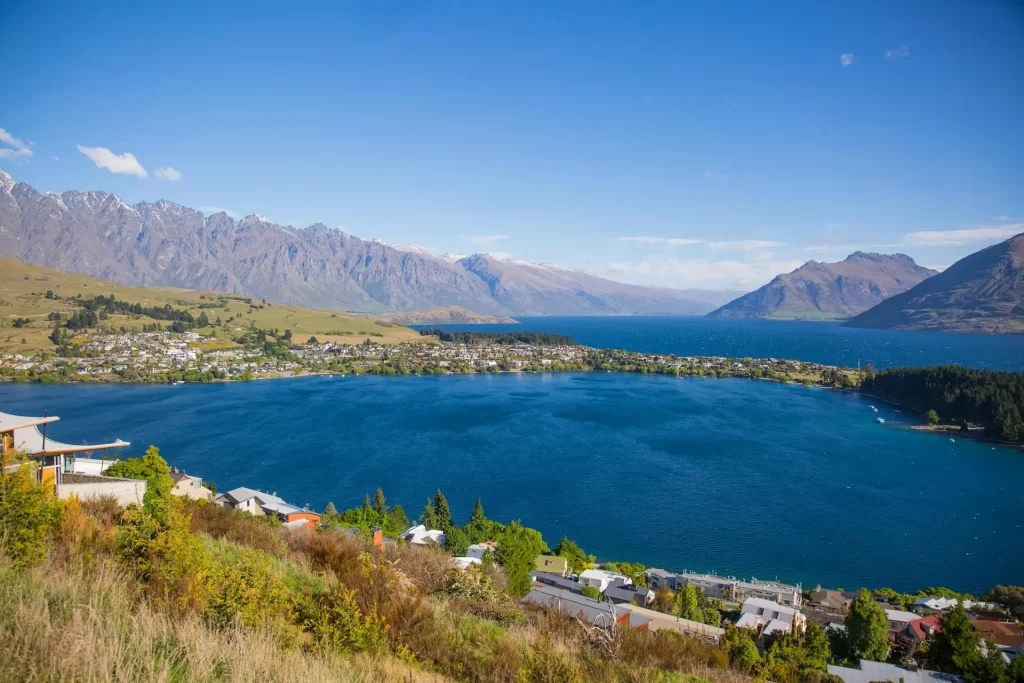
At a glance — best months for a South Island road trip
- November: Pleasant days, spring flowers, and calmer crowds.
- March: Warm afternoons, lighter tourist numbers, and stable weather.
- April: Chilly nights, flaming autumn leaves, and near-empty attractions.
In brief, for the most well-rounded travel experience across the South Island, aim for late spring or early autumn. These windows let you soak up the scenery in pleasant conditions, sidestep the busiest periods for accommodation and activities, and sometimes land tastier prices for your trip.
Best Months for a South Island New Zealand Road Trip Summary
| Month | Weather & Daylight | Crowds & Costs |
| November (Late Spring) | Mild temps 10–20°C, ~14–15 hrs daylight, spring blooms. | Fewer crowds than summer, moderate prices. |
| December – February (Summer) | Warm 15–25°C, ~15–16 hrs daylight, ideal for beaches & hikes. | Peak tourist season, highest prices. |
| March (Early Autumn) | Comfortable 12–22°C, ~12–13 hrs daylight, settled weather. | Smaller crowds, moderate to lower prices. |
| April (Mid Autumn) | Cooler 8–18°C, ~11–12 hrs daylight, autumn colours. | Low–moderate crowds, better deals. |
| May – August (Winter) | Cold 0–12°C, ~9–10 hrs daylight, snow in alpine areas. | Very low crowds, cheapest rates; some passes icy. |
| September – October (Early Spring) | Variable 8–17°C, ~11–13 hrs daylight, blossoms & snow mix. | Low–moderate crowds, shoulder-season prices. |
South Island Climate Overview
New Zealand’s South Island hosts a strikingly varied climate, shaped by dramatic mountains, sweeping coastlines, and a latitude further from the equator. While the North Island tends toward generally mild and steady weather, the South Island stretches from hot, dry river valleys to cool, storm-drenched fiords, making attention to the details of each season much more essential for those touring the country.
[Read: The Best Time to Visit New Zealand: A Complete Guide to Weather, Seasons, and Activities]
Overall Climate Profile
A temperate climate prevails across the South Island, yet it is noticeably cooler than the North Island, especially when you move inland and further south. The year divides easily into summer (December to February), autumn (March to May), winter (June to August), and spring (September to November). During summer the dry, warm beats of the innermost basins contrast with balmy days along the coasts; snow blankets the mountain ranges and colder highs slide across the terraces in winter.
Compared with the North Island, the South Island reveals sharper seasonal edges, condensed summer, and more biting winters. As one drives southward the mercury falls steadily, and places like Fiordland and Southland feel markedly colder, with windswept coasts and vertical valleys that capture rain and chill.
Regional Variations & Microclimates
The South Island’s varied landscape produces distinct microclimates worth knowing.
- West Coast: This stretch claims some of the highest annual rainfall in the nation; prevailing westerlies slam into the Southern Alps, and the mountains lift the air, turning significant moisture into almost daily showers, no matter the month.
- Central Otago: Almost the opposite. Set further in, this dry pocket boasts the Southern Hemisphere’s most continental climate: scorching summers give way to bright, ice-clear skies and biting cold winter nights, with rainfall so low it rarely leaves a mark.
- Canterbury Plains: Mostly sunny and dry. At times the Nor’wester sweeps in over the Alps, bringing sudden heat and piercing dust clouds, only to vanish as quickly as it came.
- Fiordland and Southland: Temperatures are steady but cooler, and rain arrives more as drizzle than downpour, often lingering in the shady basins. Even summers stay brisk, the clouds seldom lifting.
- Marlborough and Nelson: Longer hours of sun and gentle winds mean warm, dry summers in these coastal valleys, with the mountains rising abruptly behind.
These profiles matter when charting a road trip, since rain, heat, or cold can appear on the next bend. In a single day, you might trade wet coastal chill for the still dry heat of a valley, or climb into a snow-capped pass without warning.
How Climate Influences Your Travel Plans
Shifts in climate and daylight rhythms play a central role in crafting a successful road trip. Lengthier daylight in summer means you can stretch travel legs and add spontaneous hops, whereas winter legs may demand cautious re-routing and budgeted time for snow clearance and icy patches. Likewise, microclimates let you load wisely: a rain shell for the Pacific Coast and a stash of insulated layers for mountain passes in May could mean the difference between comfort and a cold, soggy evening.
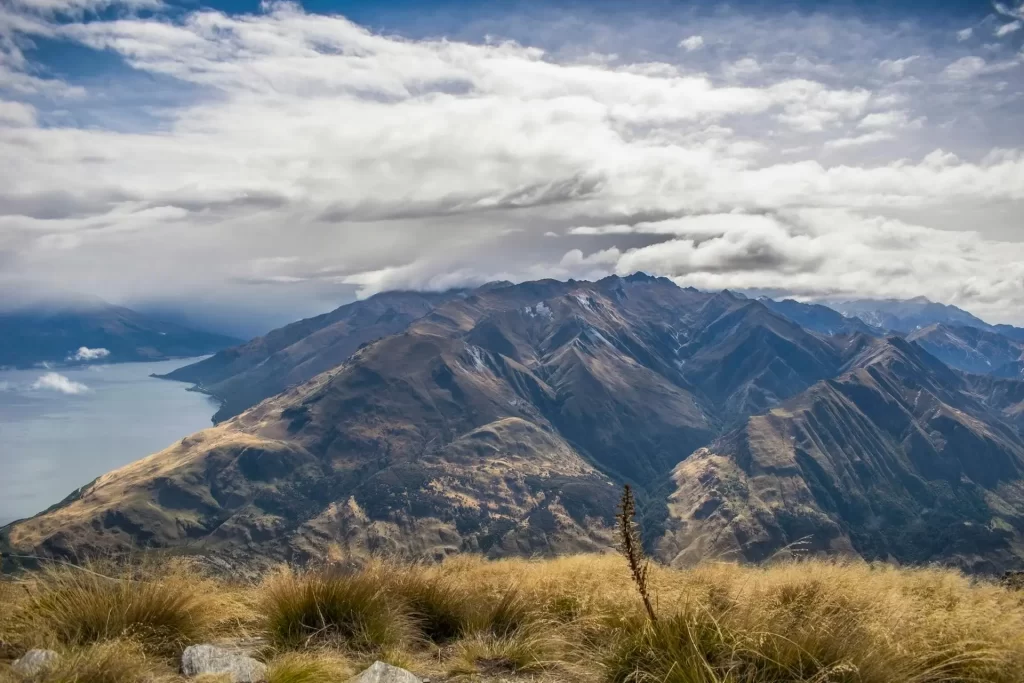
Season-by-Season Breakdown
Summer (December–February)
Summer is when the South Island heats up and buzzes with energy.
Most coastal areas sit between 20° and 25°C (68°–77°F), but Central Otago can zoom past 30°C (86°F) on the hottest days. You’ll enjoy 15–16 hours of daylight, so there’s plenty of time to pack in the fun.
What’s great:
- You get all the daylight you need for everything on your list.
- Most places feel reliably warm.
- It’s perfect for hiking, kayaking, or just hanging on the beach.
- Festivals pop, like the Nelson Arts Fest and the Marlborough Wine & Food Fest.
What’s not so great:
- It’s the high season, so hostel beds and rental cars cost more.
- Places like Queenstown, Milford Sound, and Abel Tasman get super busy.
- Last-minute spots on the popular tours can be tough to find.
- Tackle epic hikes like the Routeburn or Kepler Tracks.
- Hit the stunning drives, like the Christchurch to Queenstown or the West Coast loops.
- Dive into the sea or paddle a kayak in Abel Tasman.
- Cruise or kayak around the breathtaking Fiords in Fiordland.
Driving hints: Expect more cars on the road, especially on busy routes and holiday weekends. It’s smart to lock in your ferry, campervan, and beds ahead of time.
Autumn (March–May)
Autumn brings milder, steadier temperatures, sitting comfortably between 12°C and 22°C (54°F and 72°F). You’ll notice daylight shrinking from 13 hours in March down to 10 by the end of May. The big draw, though, is the stunning change in leaves, especially around Central Otago, Arrowtown, and Marlborough.
Pros:
- The weather is cool enough for hiking but warm enough to enjoy being outside.
- Fewer tourists mean you won’t spend half the day in lines.
- Hostels and rental cars start to cut prices after March.
- Harvest time means awesome fresh fruit and great wine tours.
Cons:
- By late autumn, the sun sets early, so you’ll have less time to explore.
- Alpine spots might get a surprise icy morning.
- Best autumn things to do:
- Sip your way through vineyards in Marlborough, Waipara, and Central Otago.
- Snap photos of Arrowtown’s bright, colorful leaves.
- Hike with cooler temps and way less company.
- Take a boat to ride through the glowworm caves at Te Anau.
Driving hints: The roads are mostly clear, but watch for a morning frost on alpine passes by May.
Winter (June–August)
When winter rolls in, the South Island turns into a snowy playground and postcard scene. Average temps run between 5°C and 12°C (41°F and 54°F) down low, but the high peaks often drop below freezing. The days are short, only 8 to 9 hours of sunlight.
Pros:
The snow-covered mountains and the fresh, clear air are postcard-perfect.
Traveling to the South Island in the winter chills your face but warms your wallet—loads of good snow but you won’t fight same-old crowds at the same-old resorts. W ake up to a world of crisp snow, smooth slopes, and the smell of roasting stall food at a festival or two.
The minus-side:
It’s pretty frosty, and if you hate dark at 5, you might hate winter. Those mountain roads ian’t joking when they flash black ice warnings. Some places keep their doors half-open, so double-check their calendars.
You should lace up for Queenstown, Wanaka, or Mount Hutt to carve the white stuff. After your legs tire, kick back in steamy Hanmer Springs or Tekapo. Pack a camera for a flight above the glaciers or Fiordland fjords.
Driving’s a different mountain: strap chains on your tires and peek at the road status each day—Lindis Pass, Arthur’s Pass, and the Crown Range don’t tolerate surprises. (Want the full low-down, mate? Check the linked winter driving guide.)
Spring (September–November)
Spring on the South Island tosses sunny weather and showers around like confetti. The thermometer kicks between 12°C and 19°C (54°F to 66°F). Rivers grow loud on the melting snow, lambs bounce across the grass, and wildflowers pop like paint splatters on a canvas.
You can roll without the crowd: hotels spare your wallet and roads spare your nerves. Green hills, loud waterfalls, and bright flowers cheer everything up. You get the nice middle-road weather and 12–14 hours of daylight to use it.
The flip side? The sky may flash on you—one minute it’s sun, the next it’s horizontal rain. Extra river flow can close some hikes, and tracks may feel soggy.
Spend your days spotting seals, fussing penguins, and a chorus of seabirds on the Otago coast. Wander into the stuffed-full botanical gardens in Christchurch and Dunedin.
Walk the trails before all the summer tourists show up.
Capture the lupins around Lake Tekapo in late November when the flowers are at their brightest.
If you’re driving, remember spring storms can shut down some roads out in the wild. Double-check the forecast and pack a rainproof jacket or two.
Special Events & Festivals in South Island
If you’re mapping out a South Island road trip, sliding local festivals and events into your plans can turn a good trip into a great one—or help you dodge the crazy crowds if you’re after a more laid-back drive. Each part of the island puts on shows, food fairs, sports contests, and cheers for the seasons, so when you move your itinerary a little, you see the real local vibe.
Queenstown Winter Festival (June)
This festival kicks off winter with game on the slopes, live tunes, fireworks, and heaps of community hangs. Everyone—from Queenstown locals to backpackers and first-time skiers—shows up, so book your beds early if you want a roof over your head. It’s the perfect excuse to hit the slopes at The Remarkables or Coronet Peak when you can still feel the festival buzz.
Arrowtown Autumn Festival (April)
Arrowtown’s golden-leaved party happens in April, and the little former gold-mining town puts on its best show. You’ll wander local markets, watch the parade, and let the kids loose on family-friendly games, all set against the breathtaking, fiery Central Otago fall colours. Photographers and leaf-chasers arrive in droves, so it’s a good moment to pull your camera out for stunning, autumn-lit shots.
World of WearableArt Awards Show – Nelson (September–October)
This unique blend of art and fashion isn’t always on the main South Island list, but if you’re rolling through Nelson, it’s the sort of funky, colour-filled weirdness you won’t want to miss. Designers turn everyday stuff into jaw-dropping costumes, and then talented performers bring them to life on stage. Folks from all over New Zealand and beyond jet in to soak up the imagination.
Marlborough Wine & Food Festival (February)
If you can’t say you’ve been to the oldest wine festival in New Zealand, did you even visit Marlborough? The festival sets up neatly amid the vineyards that put Marlborough sauvignon blanc on the world map. You’ll taste valley wines, snack on local goodies, and soak up the sun (or fairy mist, depending on the year). It slips on to the itinerary easy if you’re driving the top of the South Island or cruising up State Highway 1.
Warbirds Over Wanaka International Airshow (Every other Easter)
If you can’t tell a Spitfire from a Skyhawk, that’s cool—just come for the show. Wanaka’s renowned airshow brings legendary warbirds, top-notch aerobats, and the odd jet fighter to the sky every other Easter. Spectators fill up the airport and spill into every flat patch of green because, well, who doesn’t want to hear that roar?
Christchurch Arts Festival
When Christchurch turns into a city-wide gallery and stage, it’s art from every corner. You’ll notice street performers, pop-up gigs, and whole theatre pieces in hidden garden squares. Because the lineup hops between the Town Hall, local galleries, and empty car parks, it’s smart to look up the programme first to avoid a hidden gem slipping past you.
[More Details on Events in New Zealand]
Travel Planning Tips for Festival Periods:
- Lock in your stay: If the festival is hot, the local beds go cold quick. Motels, B&Bs, and top-secret campsites all fill up months ahead, so hit that “book now” button.
- Brace for the buzz: Towns that pop for the big events turn into party headquarters. Expect tighter parking, longer queues at the chip shop, and the occasional “what are you doing on my lawn” from locals.
- Check the weather: A lot of these events happen at certain times of year, so you’ll want to know what the weather will probably be like then. For example, winter festivals can be chilly, and the nights get even colder, so dress in layers.
- Change up your schedule: Instead of rushing from one thing to the next, think about sticking around a spot for a little longer. That way, you can really soak in the moment, whether it’s a parade, a food stall, or a fireworks show.
Essential South Island Driving Tips
Driving conditions on the South Island can vary significantly throughout the year, so planning around seasonal changes is essential for a safe and efficient road trip. Main factors like road closures, weather patterns, daylight hours, and even vehicle availability can all influence your itinerary and budget.
Summer (December–February)
- Road conditions: Generally clear, with minimal risk of snow or ice except at high altitudes. Coastal and alpine routes are open.
- Daylight hours: Long days, with up to 15–16 hours of daylight in December and January.
- Fuel costs & demand: Peak holiday season often means higher fuel prices in tourist hubs.
- Vehicle availability: Rental cars and campervans are in high demand — book well in advance.
Autumn (March–May)
- Road conditions: Mostly stable, but cooler temperatures at night in April–May can lead to frost in inland areas.
- Daylight hours: Gradually shorten from around 13 hours in March to 10 hours by late May.
- Fuel costs & demand: Moderate demand; often lower than peak summer months.
- Vehicle availability: Easier to secure rentals than in summer, but book ahead for festival periods (e.g. Arrowtown Autumn Festival).
Winter (June–August)
- Road conditions: Snow and ice common on alpine passes (e.g. Arthur’s Pass, Lindis Pass, Crown Range Road). Chains may be required — check rental agreement for winter gear.
- Road closures: Some high-altitude or unsealed roads may be closed due to snow.
- Daylight hours: Shortest days of the year — as little as 8–9 hours in June.
- Fuel costs & demand: Generally stable, but more travel to ski towns can create local price spikes.
- Vehicle availability: 4WDs and vehicles with snow chains are in higher demand; book early for ski season.
Spring (September–November)
- Road conditions: Variable — lingering snow on mountain passes in September, but generally improving as temperatures rise.
- Daylight hours: Increasing from about 11 hours in September to 14 hours in November.
- Fuel costs & demand: Moderate, with fewer crowds compared to summer.
- Vehicle availability: Easier to find deals, especially in early spring.
General Tips for Any Season
- Check road conditions daily: Use NZ Transport Agency’s live updates for closures and warnings.
- Allow extra travel time: Weather and roadworks can delay your journey.
- Fuel planning: Remote areas like the West Coast and Fiordland have fewer petrol stations — fill up before long stretches.
- Know the rules: Review our detailed guide — Driving in New Zealand: Rules, Tips & Safety — before your trip.
FAQS
1. When will I find the cheapest road trip prices?
If saving money is your main goal, aim to drive the South Island in the shoulder seasons, which are April–May or September to early November. During these months, you’ll find cheaper rooms and rental cars than you do in the busy summer from December to February, and you won’t have to deal with big crowds at the sights. Winter, from June to August, can also be cheaper if you avoid the ski towns, but you’ll need to drive slower and be more careful on the roads.
2. Is it safe to road trip in winter?
Absolutely! You just need to be ready and flexible. Winter in the South Island brings snow, ice, and shorter days—only 8 to 9 hours of daylight in June—so you’ll want to add extra time to every drive. Be sure to check the NZ Transport Agency’s road updates every day, and carry snow chains if you’re going over mountain passes like Lindis Pass or Crown Range Road. A 4WD can also make your trip feel steadier on slick roads.
3. When is the hottest month in the South Island?
January and February are the hottest months, with daytime temps usually hitting between 20°C and 30°C in most spots. Coastal towns like Nelson and Kaikōura tend to be the hottest, whereas alpine areas like Queenstown and Wanaka stay cooler even in summer. Those months also give you the longest daylight, so you can pack in as many outdoor adventures as you want.
Pro Tip: For the best mix of nice weather, smaller crowds, and decent prices, plan your trip for late November or early March.
Final Recommendations
Whether you’re chasing the sun, snow, or golden autumn leaves, the South Island road trips offer something unforgettable in every season.
No matter when you go, the South Island’s landscapes are spectacular year-round — from turquoise lakes and snow-capped mountains to rolling vineyards and rugged coastlines. The key is to remain flexible with your plans, especially if you’re travelling in winter or early spring, when weather can change quickly.
If you’re still deciding when to take your trip, check out our South Island New Zealand Road Trip: Routes & Travel Tips for detailed itineraries, maps, and insider advice. You can also dive into our Christchurch to Queenstown Route Guide for a day-by-day breakdown, must-see stops, and driving tips.
