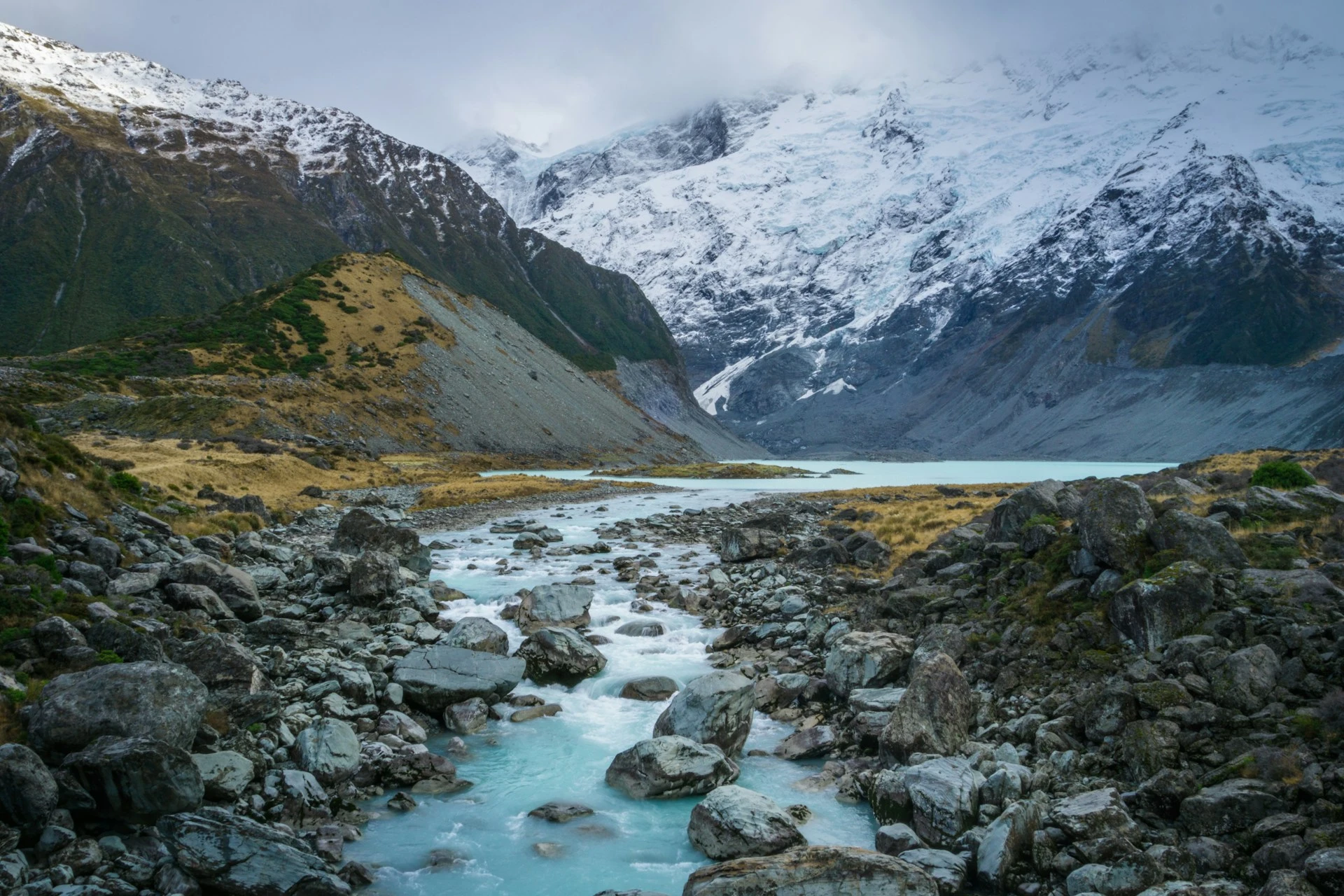
New Zealand is a stunning place to enjoy, regardless of the season. Summer is lovely, with warm sun and endless daylight, but those same perks pull in big crowds and bump up prices. Honestly, there’s no bad time to take in the country’s mountains, beaches, and forest trails.
Still, if this trip is your one big adventure to New Zealand, I totally understand wanting clear skies and quieter views while you’re there.
Let me share with you the window of time I think offers the warmest weather and the lightest tourist traffic.
If you’re also mapping out your journey, my South Island New Zealand Road Trip: Routes & Travel Tips hub is a great next read. It covers the island’s best driving routes, must-see stops, seasonal travel advice, and insider tips to make the most of your visit — no matter when you decide to come.
Quick Tips for Planning Your New Zealand Adventure
If you plan to visit between late December and mid-January, the busiest stretch of the year, book your rooms early—hotels, motels, and campgrounds fill up quickly at peak season. I often turn to Booking.com to compare locations and spot the best deals all over the country.
If you want to lie in the sun and avoid big crowds, March is your month. Days are still warm enough that you feel like it’s summer, but the huge tour buses have mostly rolled home. Just remember, New Zealand weather loves surprises: last March, the South Island threw me a few chilly gusts, so a light jacket is a brilliant idea.
On the other hand, if your plans involve skis or snowboards, swing by between July and August. Those months are usually cold, cloudy, and just perfect for hitting the slopes on either island. Grab your gear then, and you’ll find plenty of fresh powder waiting for you.
Keep in mind that the North and South Islands don’t share the exact weather. Summer tends to be the driest season almost everywhere, yet the West Coast still manages to sneak in extra rain. Come winter, the North Island often has drizzly days, while the South Island usually shows off clear, crisp skies.
Pack for every kind of weather, because New Zealand loves to keep visitors guessing. You could be in a cotton t-shirt on a sunny North Island afternoon in mid-winter, yet on the South Island in January, you might wish you had your warmest puffer jacket.
The Best Time to Visit New Zealand: A Guide to Weather and Seasons
Most travellers agree the sweetest window for beautiful weather stretches from late January through early March. By then schools are back, summer holidays are winding down, and the popular spots feel a lot roomier while the skies stay mostly clear and the air warm.
That summer calm invites every kind of outside fun, whether you want to lie on golden sand or tackle one of the many jaw-dropping hikes. Days last well past sunset, brightness pours in, and temps sit around 20 to 25˚C (68 to 77˚F), which is pretty close to ideal. Even the water plays along, hovering near 20˚C, so jumping in delivers a welcome refresh instead of a shivery gasp.
Long summer days are a huge advantage, giving travelers hours of daylight to squeeze in more adventures. Think about it: the sun doesn’t dip behind the hills until nearly 8 PM, so you can roast marshmallows after hiking and still feel like the night is young.
Here’s a handy month-by-month peek at the weather and crowds:
April: Easter kicks off the first wave of local trips, because schools are out. Still, clear, sunny days often pop up, especially on the South Island, letting you hike or bike without the summer crowd. Its a lovely window between holiday buzz and high-season rush.
May: As autumn rolls in, many tour operators start to close up for winter, marking the real start of shoulder season. That may sound like a bad sign, but fewer visitors and steep discounts make May one of the cheapest and quietest months to explore.
June & July: Winter really bites in June and peaks in July, especially on the South Island, so bundle up before heading outside. On the upside, this is the golden hour for snow fans. Queenstown and the nearby resorts hum with skiers, snowboarders, and snow-bladers from dawn to dusk.
August: By August the slopes are still packed, lifts are running, and the vibe remains electric at mountain towns. Meanwhile, cities and beaches up north relax almost completely, giving anyone who skips the snow plenty of space to sight-see in peace.
September– The month moves slowly as most people hang around waiting for longer sunshine. Snow can still blanket parts of the South Island, giving skiers and boarders a nice, quiet playground all to themselves.
October-Spring nudges its way in and the days start swapping cool airs for brighter patches. Travelers call this between-time a shoulder season, so if you can shrug off the odd shower, you get the road almost to yourself.
November– With blossoms spilling everywhere, November feels like a green postcard, especially on the North Island trails. The crowds have not yet swelled, and even if the sky sometimes changes its mind, every view stays sweet.
December– Summer kicks off with barbecues and beach plans, but holiday seekers push the price tags up between Christmas and New Years. If tranquility instead of a party is what you want, booking early can still give you a taste of Kiwi calm.
If you’re only planning to cover the South Island, our guide on the best time of year to visit South Island New Zealand will help you choose the ideal season for your trip based on weather, activities, and crowd levels.
Coastal Climate and Seasonal Considerations in New Zealand
Most of the country edges water, and that sea wraps the land in a gentle blanket all year. Because of the coast, even mid-winter adventures feel milder than travelers expect, turning New Zealand into a steady, anytime stop.
On New Zealand’s North Island, the shift from summer to winter isn’t huge. Winter still brings a few extra showers and earlier sunsets, but the days rarely get icy. If you don’t mind putting on a light jacket and dodging the odd drizzle, you’ll discover that the cooler months here have their own laid-back appeal.
Head south, though, and the seasons become a lot more obvious. Winter in the South Island can serve up biting cold, biting winds, and even fresh powder on the mountains. In places like Queenstown the chill really sets in, blankets the town in white, and turns hiking trails into runs lit by skihuts. For fans of snowball fights, snowboards, or steaming mugs of hot chocolate, this frosty postcard doesn’t disappoint.
Of course, the weather isn’t the only thing that shapes your holiday timetable. When we’re planning a trip, we usually think about activities first, so let’s talk about that next.
The Best Time to Hike in New Zealand: A Seasonal Guide
New Zealand is a hiker’s dream-land, packed with trails you can walk nearly any month of the year. Even so, planning a trip in summer or autumn makes each step a little smoother and the views a lot brighter.
Summer hikes are my personal favourite. The sun sticks around for ages, so I never feel rushed. I’ve started overnight adventures as late as four in the afternoon, safe in the knowledge that daylight will see me safely to camp.
Read: A Guide to Walking & Hiking in New Zealand
Winter trekking can be wonderful, too, if you’re ready for snow and soggy shoes. Still, many paths turn into slippery mud slogs and the sun slips away early. Once the clock hits six, the world outside goes dark, and your exploration time shrinks fast.
In winter, snow can blanket paths, ice can seal over bridges, and the odd avalanche may sweep down a hillside, all of which might force you to find a new route. River crossings that were merely nerve-wracking in summer turn icy-serious once temperatures drop, so caution is a must. Still, those earlier sunsets give you the perfect excuse to swap summit selfies for a quiet evening stroll—and you can still be back home in front of Roast of the Day before dessert cools.
Wildflowers and Scenic Blooms
If blooms are your thing, late spring, from December to February, rolls out a carpet of bright lupins, with the Lake Tekapo area handing you one of the best front-row seats. I still picture the purple-and-pink patchwork I spotted near Glenorchy last December, and that image won’t fade anytime soon. While you are out and about, keep an eye on the pohutukawa trees up north, too. Those bright-red blossoms light up beaches and cliffs in December and earn the title Christmas tree for a good reason.
Snow and Skiing Season
If you dream of carving fresh turns on a snowy mountain, New Zealand ski resorts usually welcome visitors starting in June, though opening dates depend on the weather. Most of the really big dumps of snow happen in July and August, so those months are considered the sweet spot for powder hounds. By mid-September, the lifts begin winding down, meaning you should plan your trip before then if you want to enjoy long days on firm snow. Queenstown, Wanaka, and Ohakune, along with a few smaller areas around Christchurch, remain the top destinations for families and experts alike.
The Cheapest Time to Visit New Zealand
Travelers watching their wallets will find the best prices during winter and shoulder seasons running from early May to late October. June, July, and August still pull high rates in busy ski towns like Queenstown, yet everywhere else-hotels, restaurants, and adventure tours-drops sharply once the snow melts. If you skip the slopes and stick to hiking, sight-seeing, or simply soaking in a geothermal pool, those cooler months let you explore New Zealand at a gentle pace and with far fewer people crowding the trails and streets.
Summer in New Zealand: Peak Season from December to February
New Zealands summer stretches from December through February and really feels like a never-ending playground for anyone who loves being outside. Average daytime temps sit between 20 and 25 ˚C 68 and 77 ˚F so the weather rarely complains, and the sun hangs around late-sports evenings, often fading only after 9 in the evening. Those long hours give people the chance to explore coastlines, camp beneath the stars, or hike ridges before breakfast and still catch the stunning sunrise.
Because the heat invites fun, summer is also the seasons for slow living. Most offices offer a three-week shut-down, schools enjoy a six-week break, and the country gently clicks into holiday mode. Streets quiet down, music wafts from backyards, and towns that bustle in winter suddenly fill with sun hats, surfboards, and friendly waves.
Christmas under the kiwi sun is a scene that never stops surprising overseas visitors families gather at beaches, fire up barbecues, and pass around bottles of fizzy drink instead of mulled wine. A week later the air crackles with fireworks and drum beats as festivals pop up in every corner, everyone eager to welcome the new year with a splash.
Summer in New Zealand is popular with travelers, yet it still brings a few ups and downs. Motels, holiday parks, and cabins book up faster than beach sunscreen, and some museums or tours shut for the Christmas holiday. Beaches and bays buzz with families, teens, and overseas holidayers, leaving hotspots feeling a little jampacked. The big cities, however, quiet down when many locals chase the sun on the coast.
Plan a December-or-January voyage? Snag your room and tours weeks ahead so you dont get locked out by the festive rush.
Despite the mild weather in December and January, February usually takes the title of the hottest month, so its the golden stretch for sun lovers and ice-cream fans.
Autumn in New Zealand: Shoulder Season from March to May
March to May is a gentle autumn shoulder season when New Zealand slows to an easy hum. Average highs around 17 to 21˚C (62 to 70˚F) keep the days pleasant well into March, yet the summer crowds have already melted home. That leaves more space on walking trails, at wineries, and on scenic ferries, so you can really enjoy each place without racing to share the photo.
March is one of the best months to take your adventures outside. The skies are usually clear, the wind behaves itself, and most trails, even the alpine ones, are still open and safe. Because of that, March has quietly become my top hiking month. I cant count how many times I’ve stepped onto a ridge at three thousand feet to find sunshine, dry paths, and that nice, clean, cool air running through my lungs. By April the good luck tends to hang around for most of the month, though you can spot chilly breezes creeping in by the last week.
May can be a bit nippy, yet the smaller crowds suddenly pop up a real gift. Trails that would normally look like rush hour on a city street feel empty enough for you to hear your own footsteps. If you like wandering in peace, May is your month.
Autumn slides in as a shoulder season, sitting happily between the summer holiday boom and the pre-snow gear rush. Even late in April, many days stay warm and bright, giving adventurers a last long stretch of great weather before winter takes the wheel.
Arrowtown sits near the top of any leaf-peepers list. The tiny gold-rush village glows like a postcard, making it an easy and cheerful stop. Cromwell, just a short drive away, is busy with harvest stalls where you can grab fresh apples, plums, and cherries-sweet snacks for the road or a quick picnic by the river.
Winter in New Zealand: Affordable, but Cold – June to August
Hit June through August and you arrive in New Zealand’s hush along with the coolest weather. The mountains are covered with snow, cities move at a slower pace, and hotel rates slide way down. Less racket and cheaper tours mean you can soak in the scenery without elbowing through a crowd.
The Pros:
Winter in New Zealand is quieter, which means you enjoy peaceful sight-seeing and get better deals. Hotels drop their rates, and tour companies often slice prices to fill seats. If your main goal is a wallet-friendly escape far from peak crowds, this is your season.
The Cons:
That said, New Zealands winter weather can be moody. The North Island usually sits under a thick blanket of grey, and Auckland can seem like it never stops drizzling. I once watched it fall non-stop for three weeks straight. The temperatures stay mild, but trust me, damp cold feels colder than the number on the thermometer says. On a campervan loop I did around Wellington and Cape Palliser in late June the air was fresh, not freezing, yet a decent jacket and warm layers were must-haves.
Meanwhile the South Island is often the opposite: blue skies one minute, biting wind the next. Snow hugs the mountains around Queenstown, Christchurch, and all of Southland, so if you plan to chase snowflakes or ski be ready for frosty air, especially at higher trails.
Winter is an awesome time of year in New Zealand, mainly because hot springs seem to pop up everywhere, just waiting for chilly fingers and toes. Picture yourself knee-deep in toasty water while the air around you breathes tiny ice crystals. At Maruia Hot Springs on the South Island, I crack a stupid grin every single time I watch steam twirl up against a backdrop of white peaks. Up north, Kerosene Creek near Rotorua keeps the adventure budget happy because everyone can jump in for free, and Ngawha Springs in Northland offers bright mineral pools that feel almost otherworldly. No matter where you end up, that moment of warmth against winter chill feels a bit like magic.
Winter still invites outdoor fun, it just wears a thicker jacket and sometimes a helmet or goggles. Major hikes like the Tongariro Alpine Crossing or the Milford Track shut down because snow hides steps and avalanches borrow any thrill a tourist thought they could own. That said, experienced walkers can track down shorter trails, provided they check the weather first, strap on good gear, and keep a buddy or two close. Casual weekend adventurers, though, would do best swapping trails for hot cocoa and geothermal puddles until the mountain settles back into summer slumber.
In winter, Queenstown transforms into a snow-lover’s playground. The hills fill with skiers and boarders carving fresh tracks, while the town bustles with hot chocolates, live music, and a buzz that lingers long after the lifts close. Chilly air only seems to add to the electricity; you can practically feel it crackle as night falls.
If you prefer quiet, New Zealand’s backcountry still beckons. Most camp sites sit empty, giving you the chance to wander through glaciers, fjords, and hidden valleys without another soul in sight. Pack your thermals and a good book—and enjoy the peace that only winter travel here can offer.
Spring in New Zealand: Rainy Shoulder Season (September to November)
Spring, running from September to November, sweeps in with soft days that hover around 16 to 19˚C (61 to 66˚F). Because these weeks sit between the big summer rush and the winter ski boom, you’ll meet only a handful of fellow travellers. Blossoms, baby lambs, and fresh mountain air make the trip feel new, even if sporadic showers try to steal the spotlight now and then.
By October the ski trails are closed, and most visitors head home, leaving the place quiet until summer guests arrive. That break between seasons is perfect for anyone who wants slow-paced exploring, a little peace, and doesnt mind a chilly drizzle now and then.
Weather and Blossoms: Spring Showers and Longer Days
Spring on the North Island still drips with rain, yet the clouds blow through faster than you picture. Warmth creeps in, sun spills over the hours, and a day can bounce from gentle drizzle to bright blue in no time. By late September and October the clock shift for daylight saving gifts you quiet, golden evenings—ideal for pausing to watch the world slip into twilight.
New Zealands ever-green hills never fade, but spring yanks on the colour lever until it hums. Daffodils pop аlong driveways, playful lupins line verges, and the patchwork fields suddenly wear confetti hats. The show may not bowl you over like floral parades elsewhere, yet the quiet spread of colour feels welcoming in a very local way.
And spring, of course, delivers the softest eye-candy of all-lambs and calves wobbling on spindly legs. A drive through farmland turns into a living postcard as these fluff balls bounce, tumble, or simply flop in the sun.
November: Spring’s Secret Best Month for Hiking
By the time November rolls around, New Zealands spring is almost ready to burst into summer. Temperatures climb, days stretch out, and it begins to feel like a sneak peek of summers warmth, yet the big holiday crowds are still weeks away. Because of that mellow energy, lots of people say this month is the sweetest time to visit.
Late October into November marks the real kick-off for the Great Walks season. Snow on alpine trails vanishes, turning icy paths into clear, walkable tracks. If you love to hike, now is your moment to tackle names like Tongariro or Abel Tasman, when the scenery sparkles under friendlier skies and most people are still at home studying maps.
Rainy Days? Dive into New Zealands Food and Wine Scene
Of course, spring weather can be a tease; clouds roll in and showers appear out of nowhere. When that happens, sit back and let New Zealands food and wine scene entertain you. If you land in Auckland, a short ferry whisks you to Waiheke Island, where friendly vineyards pour glasses beside ocean views. Farther down south, Gibbston Valley near Queenstown serves some of the nations smoothest pinot noir amid rolling hills. Either stop turns a grey afternoon into an easy treat, even if the real star of the trip is still that elusive sunshine.
Rain or shine, New Zealand’s food scene is a winner, because fresh, local ingredients show up in every dish. From lively farmers markets to top-notch restaurants, visitors have plenty of chances to feast on homegrown flavors.
Read: New Zealand’s Favourite Food & Drinks
The Unpredictability of New Zealand’s Weather
Thanks for staying with me on this guide about the best time to visit New Zealand! I really hope it helps you pick the right dates for your trip. Just keep this in mind: the weather in New Zealand can change on a dime, no matter the season. The secret to enjoying your visit is simple-pack warm layers, leave room for a cheerful backup plan, and go with the flow.
